



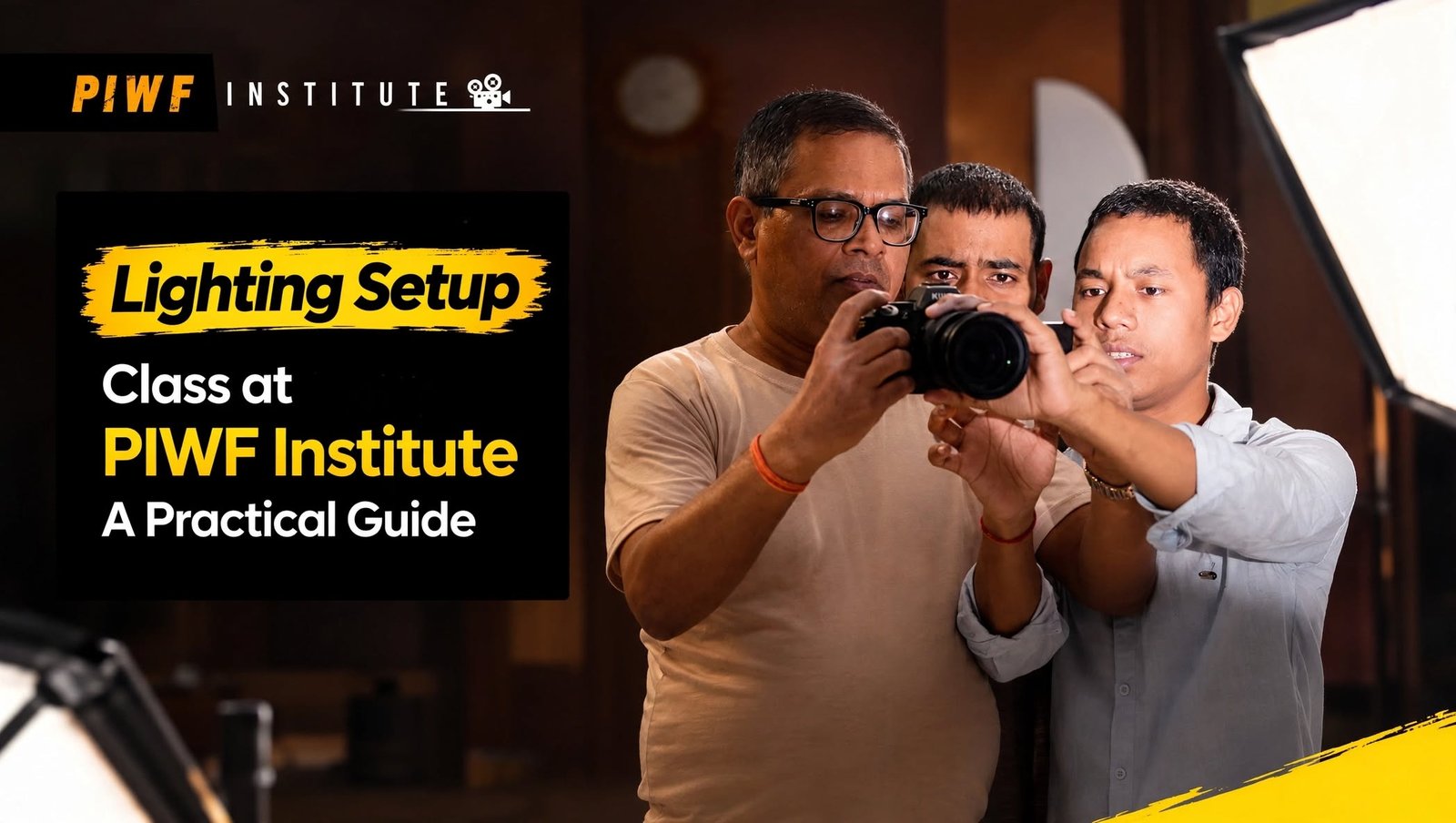
अच्छी lighting camera पर किसी subject का look पूरी तरह बदल सकती है। लेकिन light को कहाँ रखना है और उसका purpose क्या है, यह समझना भी उतना ही जरूरी है।
PIWF Institute in Patna की lighting setup class में Rahul Sir ने students को back light, fill light, low key light, key light, split light और top light के बारे में बताया। Class को theory, practical और Q&A के तीन parts में रखा गया, ताकि students concepts को समझने के साथ उन्हें practically भी सीख सकें।
Rahul Sir Conducted the Lighting Setup Class
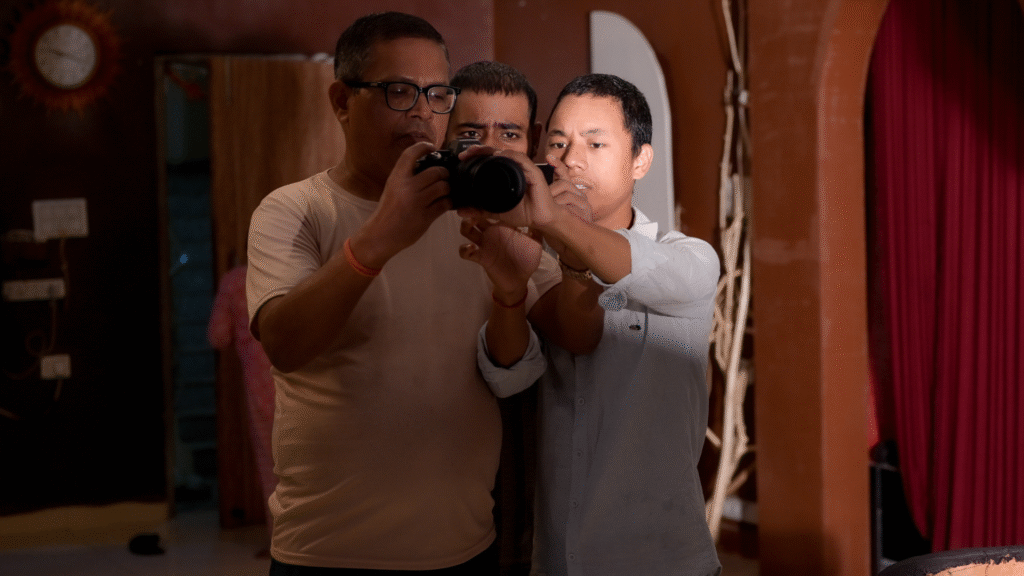
PIWF Institute में lighting setup की class Rahul Sir ने conduct की। उन्होंने students को different lighting setups के बारे में समझाया, जिसमें back light, fill light, low key light, key light, split light और top light शामिल थे।
Class को तीन parts में रखा गया था theory, practical और Q&A। पहले students ने lighting के basic concepts समझे, फिर practical session में उन्हें apply किया। आखिर में Q&A session में students ने अपने questions पूछकर doubts clear किए।
Lighting setup class at PIWF Institute
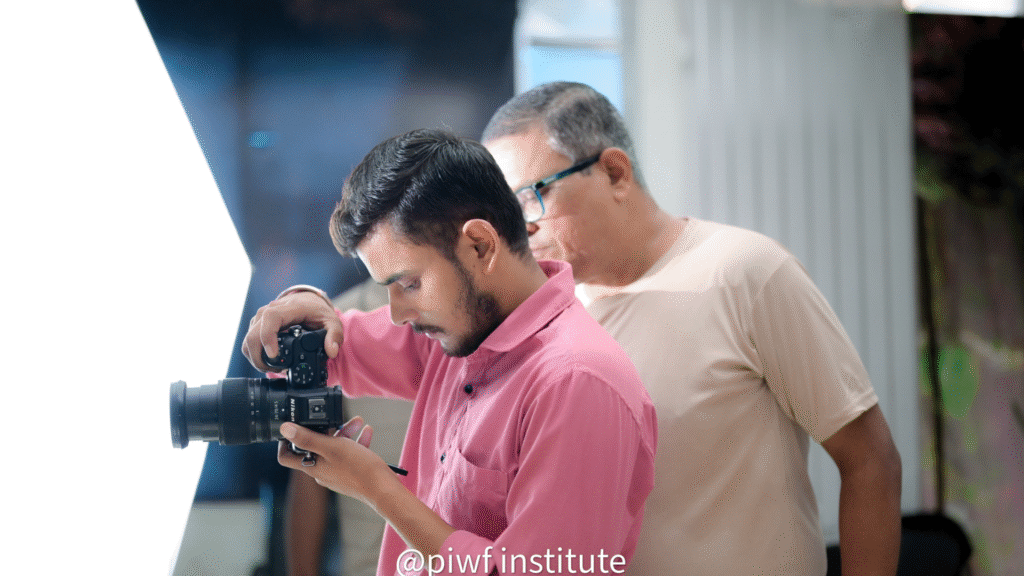
Lighting photography और filmmaking का एक important हिस्सा है। Camera तक पहुँचने वाली light की direction, position और type से subject का final look बदल सकता है।
PIWF Institute में Rahul Sir ने students को छह lighting setups के बारे में समझाया:
- Back light
- Fill light
- Low key light
- Key light
- Split light
- Top light
Class में पहले theory समझाई गई, फिर students ने practical work किया और अंत में Q&A session में अपने questions पूछे।
Understanding the three parts of the class
The class को तीन simple parts में divide किया गया था, जिससे learning process clear और organised रहा।
1. Theory Session
सबसे पहले Rahul Sir ने lighting के basic concepts समझाए। Students को अलग-अलग lighting setups और उनके uses के बारे में बताया गया, ताकि practical session से पहले उन्हें basic understanding हो जाए।
2. Practical Session
Theory के बाद students ने practical work किया। उन्होंने देखा कि light की position बदलने से subject के look पर क्या effect पड़ता है। इससे classroom concepts को actual lighting setup के साथ समझना आसान हुआ।
3. Question-and-Answer Session
अंत में Q&A session रखा गया। Students ने class में सीखे topics से जुड़े questions पूछे और अपने doubts clear किए।
इस तरह class का learning flow simple रहा: Learn → Practise → Clear Doubts.
Six Lighting Setups Covered in the Class
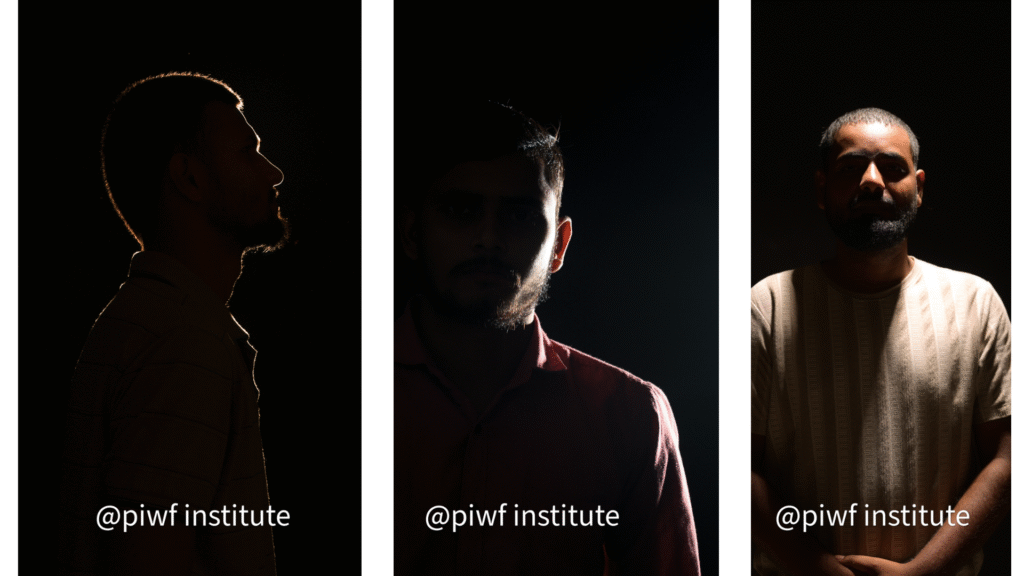
इस session का main focus six lighting setups पर था। Rahul Sir ने students को समझाया कि हर setup में light की position बदलने से subject का look और shadows भी बदलते हैं।
1. Back Light
Back light subject के पीछे से दी जाती है। यह subject को background से अलग दिखाने में help करती है और image में depth add कर सकती है।
2. Fill Light
Fill light का use shadows को कम करने के लिए किया जाता है। यह key light से बनने वाले darker areas को balance करने में मदद करती है।
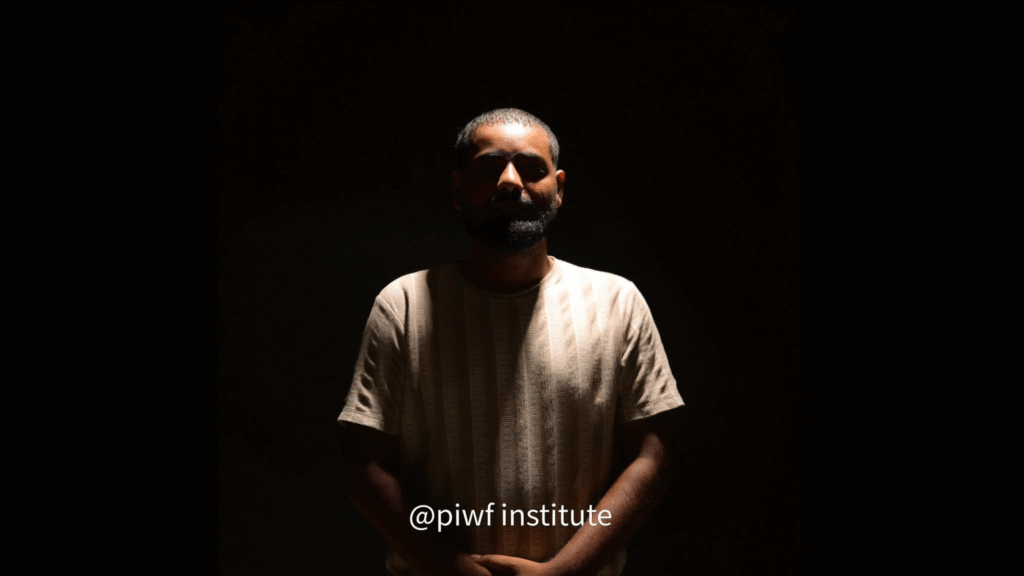
3. Low Key Light
Low-key lighting में light और shadow के बीच strong contrast होता है। इससे frame को darker और dramatic look दिया जा सकता है।
4. Key Light
Key light subject की main light होती है। इसकी position light की direction और subject पर पड़ने वाली shadows को काफी हद तक तय करती है।
5. Split Light
Split lighting face के एक side को light में और दूसरे side को shadow में रखती है। इससे एक clear lighting pattern दिखाई देता है।
6. Top Light
Top light subject के ऊपर से आती है। इसकी position face और body पर बनने वाली shadows को बदल देती है।
Practical session के दौरान students ने इन setups को सिर्फ theory में नहीं, बल्कि actual lighting setup के साथ समझने का मौका भी पाया।
Why practical lighting training matters
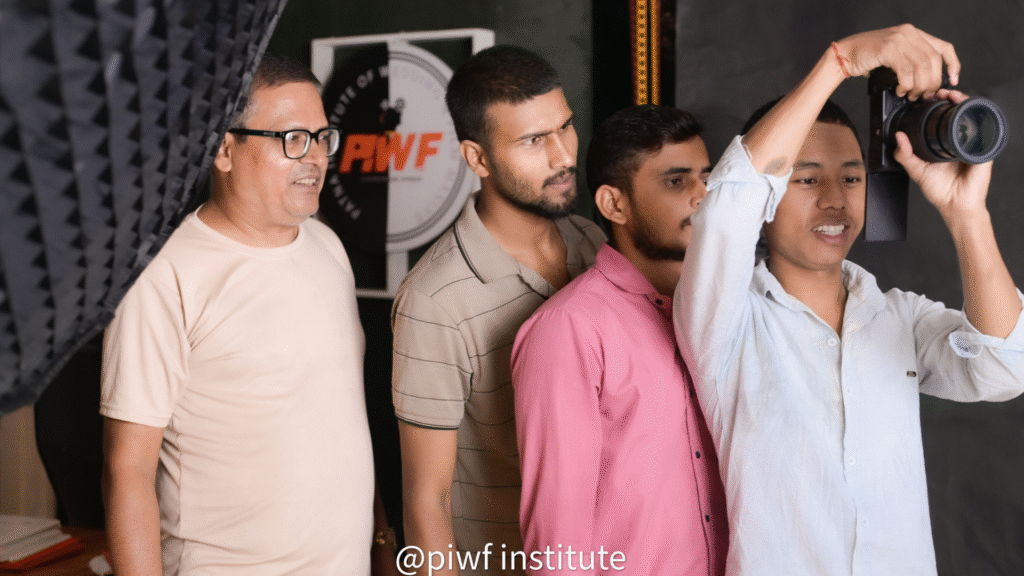
Lighting के बारे में पढ़ने से students को अलग-अलग setups के names और basic concepts समझ आते हैं। लेकिन lighting एक practical skill भी है।
Light की position या direction में छोटा सा change भी subject की shadows और overall look को बदल सकता है। इसलिए lighting setup class at PIWF Institute in Patna में students ने theory के साथ practical work भी किया, जिससे उन्हें real shooting environment में lighting को समझने का मौका मिला।
From theory to practical learning
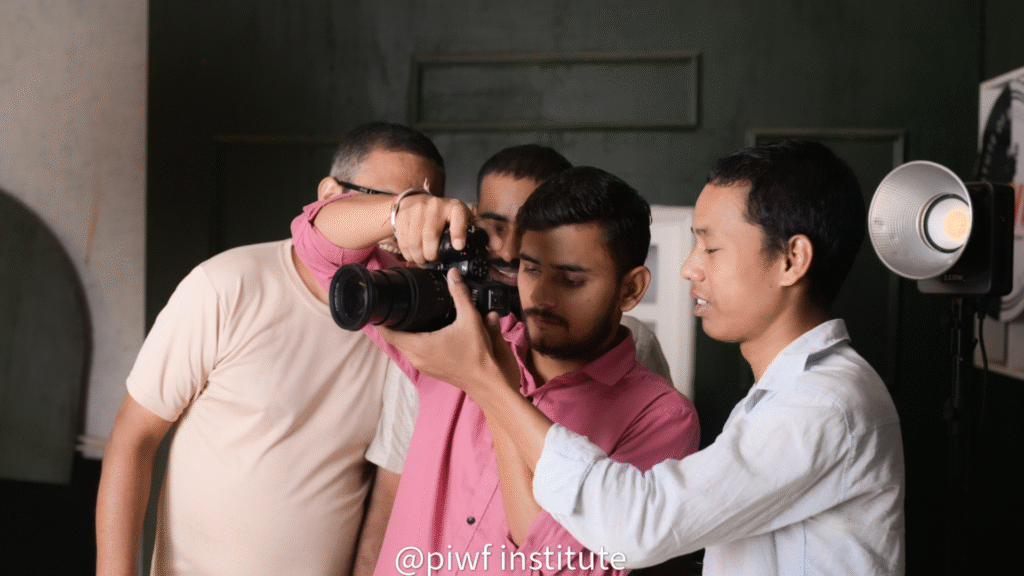
Class का learning process एक clear flow में रखा गया था। पहले students ने concepts समझे, फिर practical session में lighting setups पर काम किया और आखिर में Q&A में अपने questions पूछे।
इस approach से students को एक ही topic को अलग-अलग तरीकों से समझने का मौका मिला। जैसे, theory में उन्होंने key light का meaning समझा, practical में उसकी position का effect देखा और Q&A में अपने doubts clear किए।
इससे learning process ज्यादा clear और practical बना।
Building a basic understanding of lighting
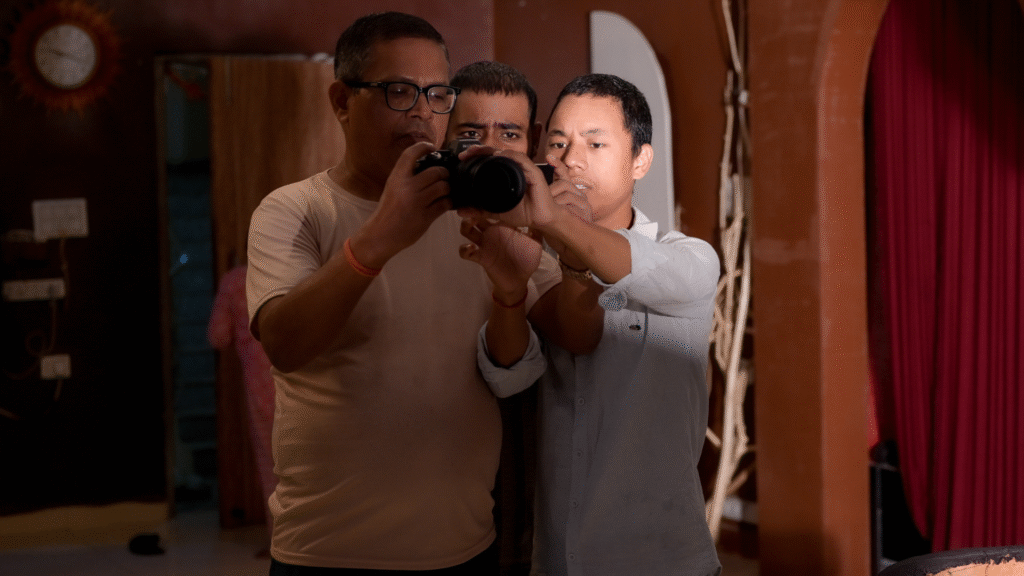
Lighting सीखने के लिए शुरुआत में complicated setups की जरूरत नहीं होती। Students कुछ basic questions से शुरुआत कर सकते हैं:
- Light कहाँ placed है?
- Subject के किस हिस्से पर light पड़ रही है?
- Shadows कहाँ बन रही हैं?
- Light को move करने पर क्या change होता है?
- दूसरी light setup को कैसे affect करती है?
इन questions से students को lighting को observe करने और समझने में मदद मिलती है। PIWF class में सिखाए गए छह setups उन्हें light direction, shadows और subject illumination की basic understanding देते हैं।
Regular practice के साथ students films, photography और अपने shoots में अलग-अलग lighting patterns को आसानी से recognise करना सीख सकते हैं।
Lighting knowledge for photographers and filmmakers
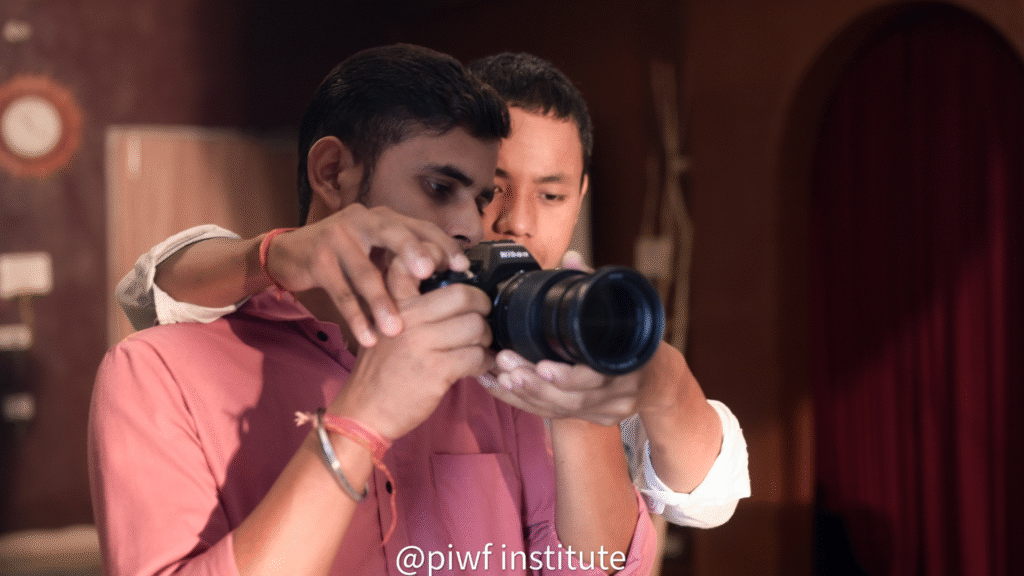
Camera के साथ काम करने वालों के लिए lighting का final image पर सीधा असर पड़ता है। Photographer को portrait shoot में subject पर light control करनी होती है, वहीं filmmaker को scene के हिसाब से एक particular look create करना पड़ सकता है।
PIWF Institute की इस class में students ने different lighting setups को structured तरीके से सीखा। Theory, practical work और Q&A के combination ने उन्हें topic को अलग-अलग तरीकों से समझने का मौका दिया।
What students learnt from the session
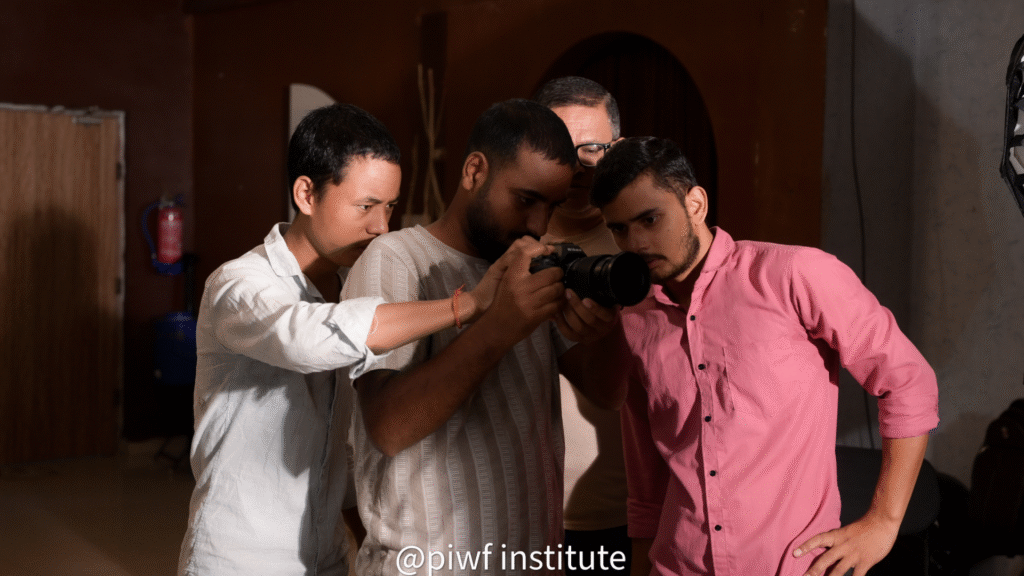
Class में students ने different lighting setups के names और उनके basic roles के बारे में सीखा:
- Back light – subject के पीछे से light देने के लिए।
- Fill light – darker areas को control करने के लिए।
- Low-key light – high-contrast और shadow-focused look के लिए।
- Key light – setup की main light के रूप में।
- Split light – light और shadow के बीच clear division के लिए।
- Top light – subject के ऊपर से lighting के लिए।
इसके साथ, class में learning को तीन stages में रखा गया। Theory से concepts समझे, practical में उन्हें apply किया और Q&A में questions पूछकर doubts clear किए।
A practical approach to learning at PIWF Institute
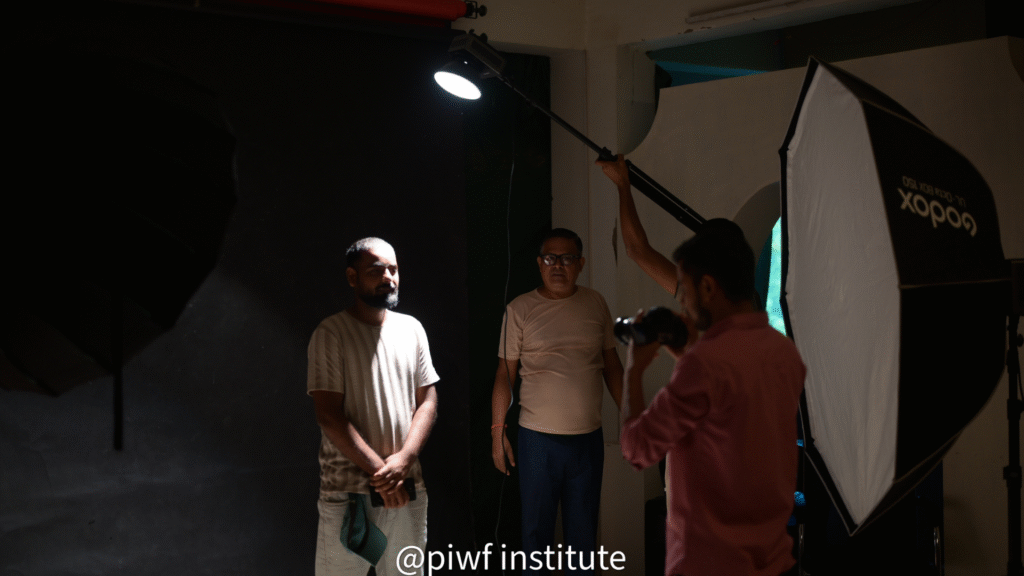
The lighting setup class at PIWF Institute in Patna में students ने learning, practical और discussion के जरिए lighting को समझा। Rahul Sir ने उन्हें six different lighting setups के basic concepts और practical use के बारे में बताया।
Photography और filmmaking में lighting की अच्छी understanding camera work के लिए useful foundation देती है। सिर्फ setup का नाम जानना enough नहीं है; light कहाँ रखनी है, उसका subject पर क्या effect होता है और look कैसे बदलता है, यह practice से बेहतर समझ आता है।
Conclusion
The lighting setup class at PIWF Institute in Patna में students ने six lighting setups — back light, fill light, low key light, key light, split light और top light — के बारे में सीखा।
Rahul Sir ने class को तीन parts में रखा: theory, practical और Q&A। इससे students ने concepts समझे, उन्हें practically apply किया और अपने doubts clear किए।
अगर आप photography या filmmaking सीख रहे हैं, तो इन six lighting setups को practise करें और देखें कि हर setup subject और shadows को कैसे बदलता है।
Frequently Asked Questions
1. What was taught in the lighting setup class at PIWF Institute?
The class covered six lighting setups: back light, fill light, low key light, key light, split light and top light. Rahul Sir explained these topics through theory, practical work and a Q&A session.
2. Who taught the lighting setup class at PIWF Institute?
Rahul Sir taught the lighting setup class at PIWF Institute. The session focused on helping students understand different lighting setups through theory and practical learning.
3. What are the three parts of the PIWF lighting class?
The class was divided into three parts: a theory session, a practical session and a question-and-answer session. This structure allowed students to learn the concepts, practise them and clear their doubts.
4. What is key light in a lighting setup?
Key light is the main light used to illuminate a subject. Its position affects the direction of light and the shadows created on the subject.
5. Why is practical lighting training useful?
Practical training lets students see how changes in light position and direction affect a subject. It helps connect the ideas learnt during theory with real shooting situations.