10 Poses to Capture the Beauty of an Indian Bride: A Complete Guide for Stunning Bridal Photography
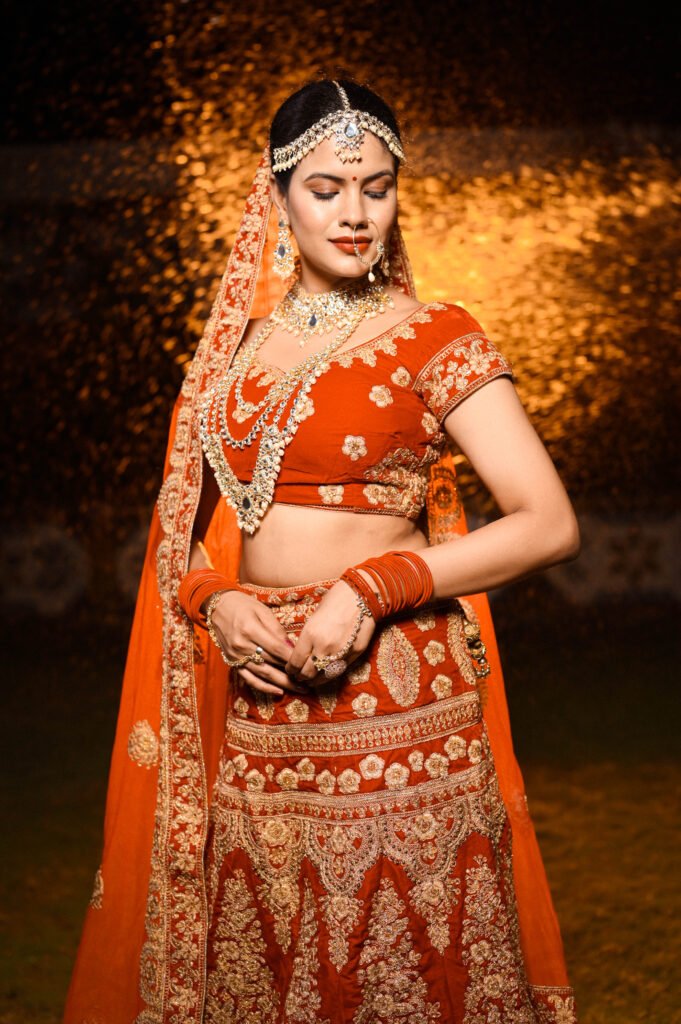
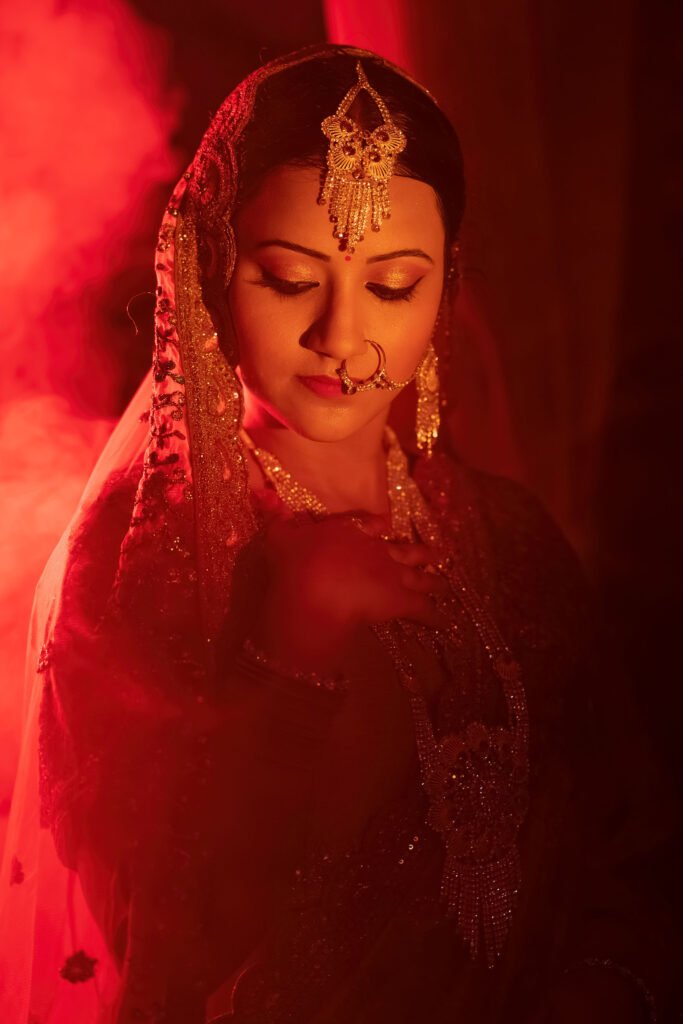
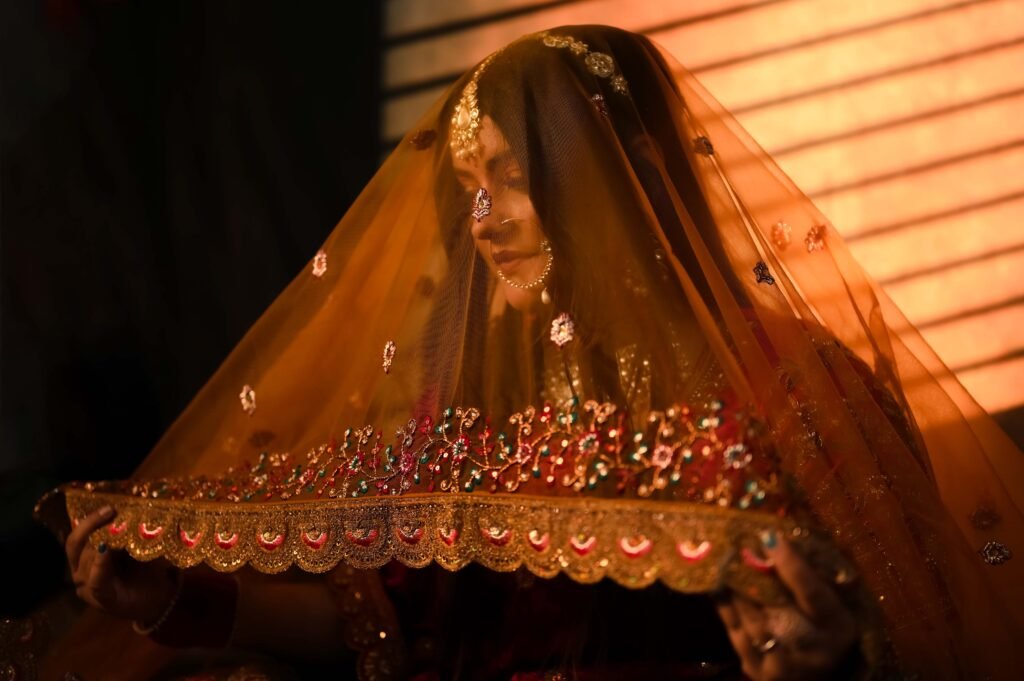
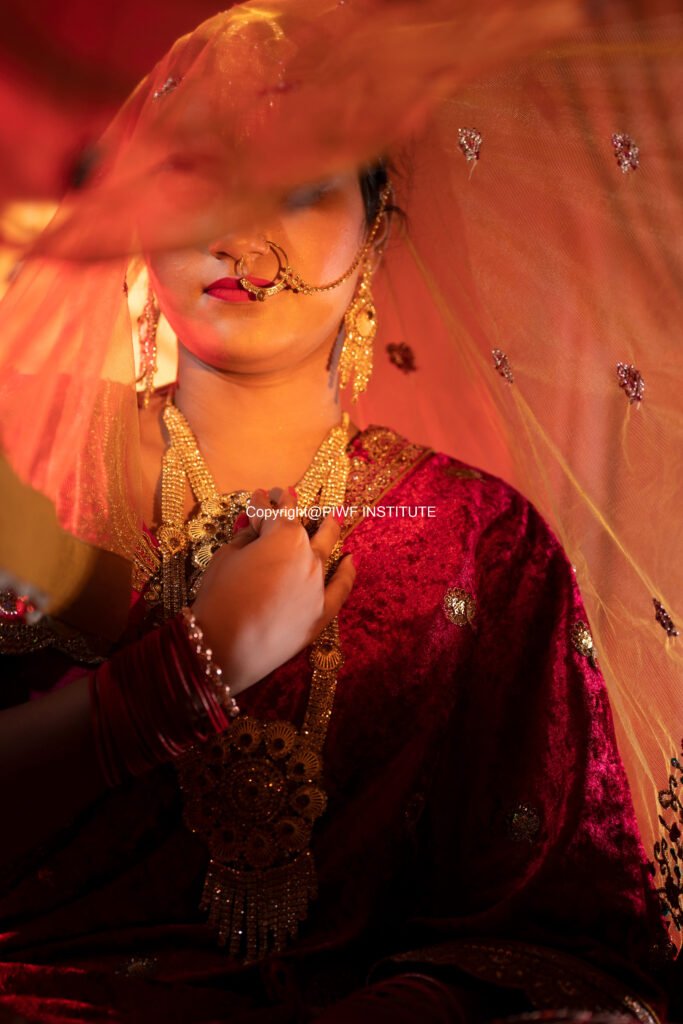
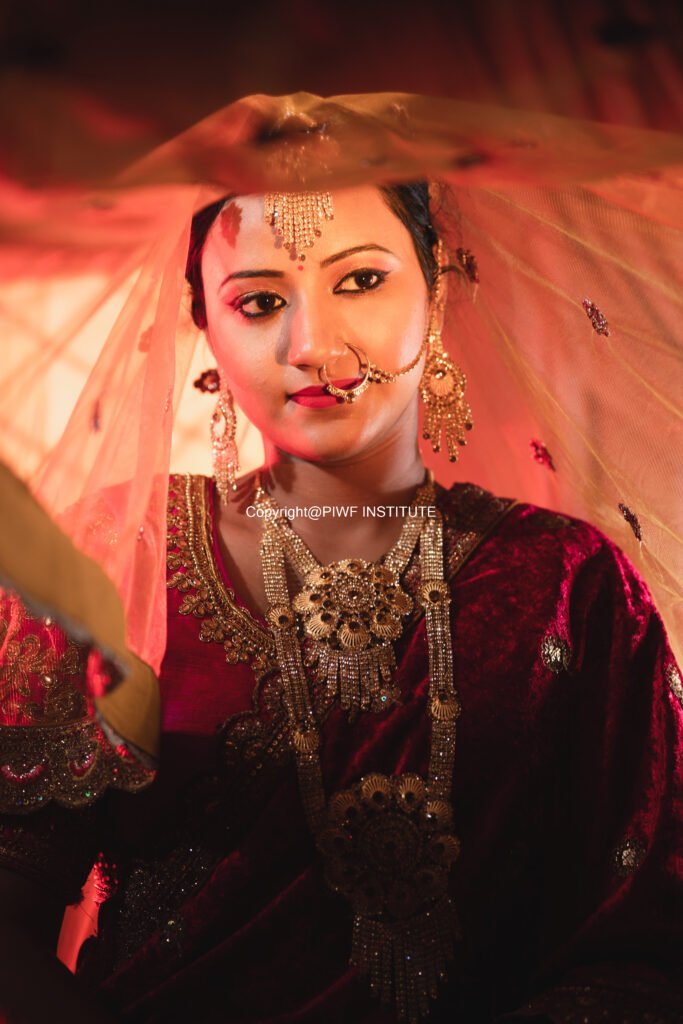
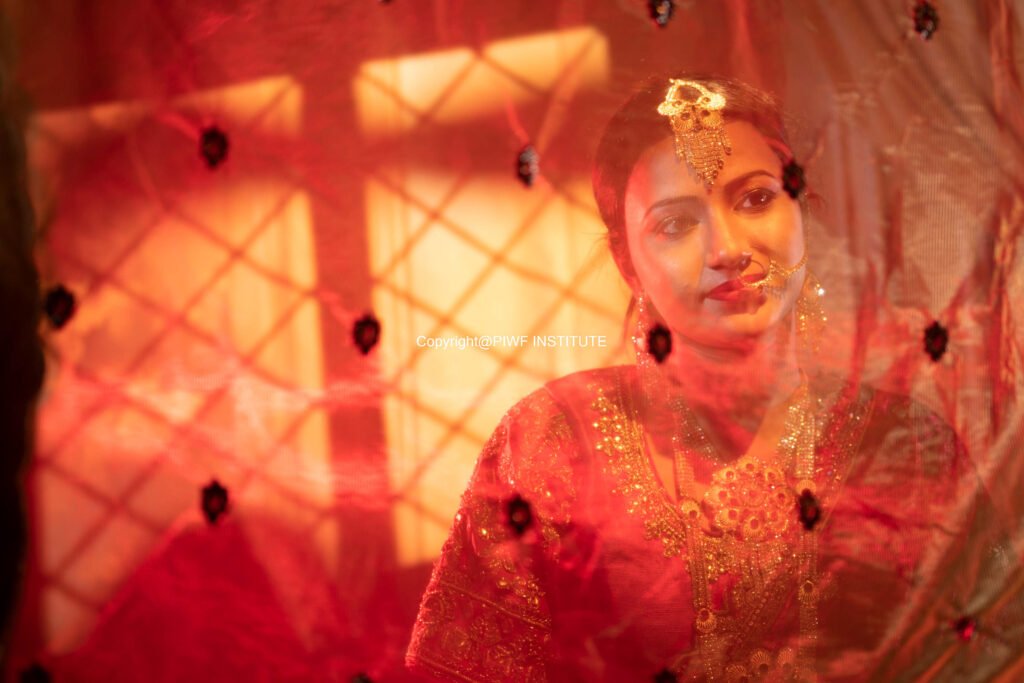
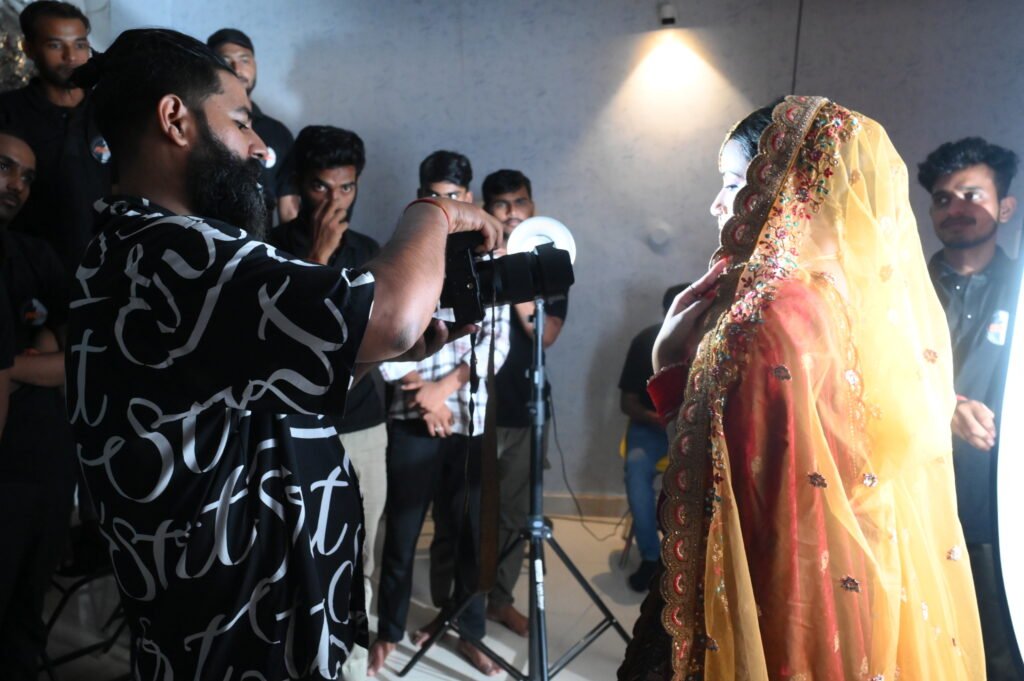
The Veil Drop Pose: Capture the delicate moment when the bride adjusts or plays with her veil, creating a sense of elegance and mystery.
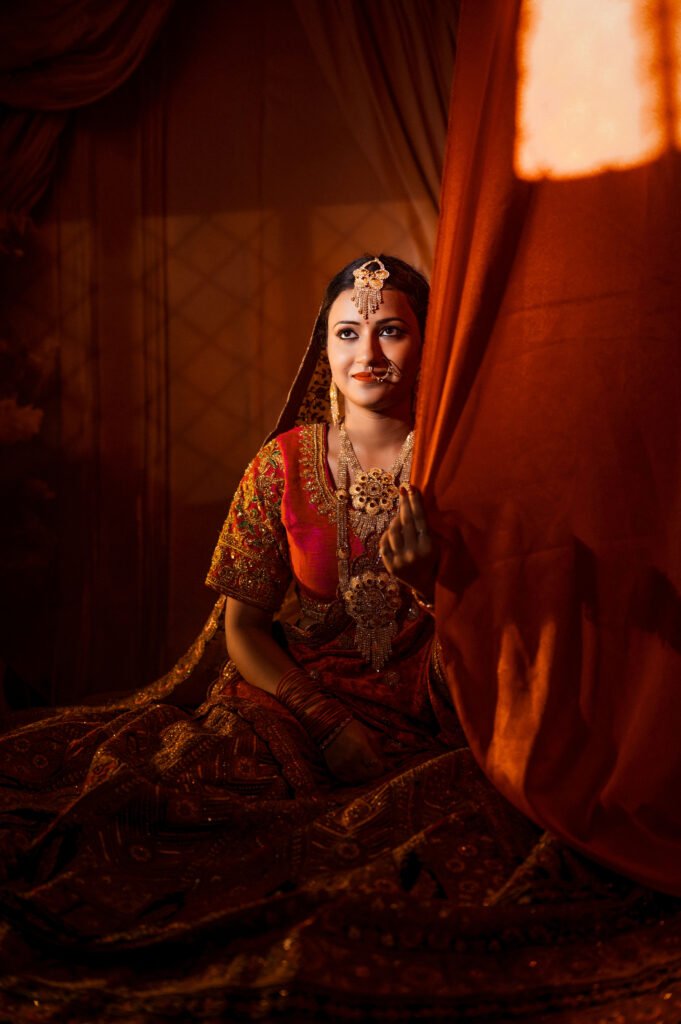
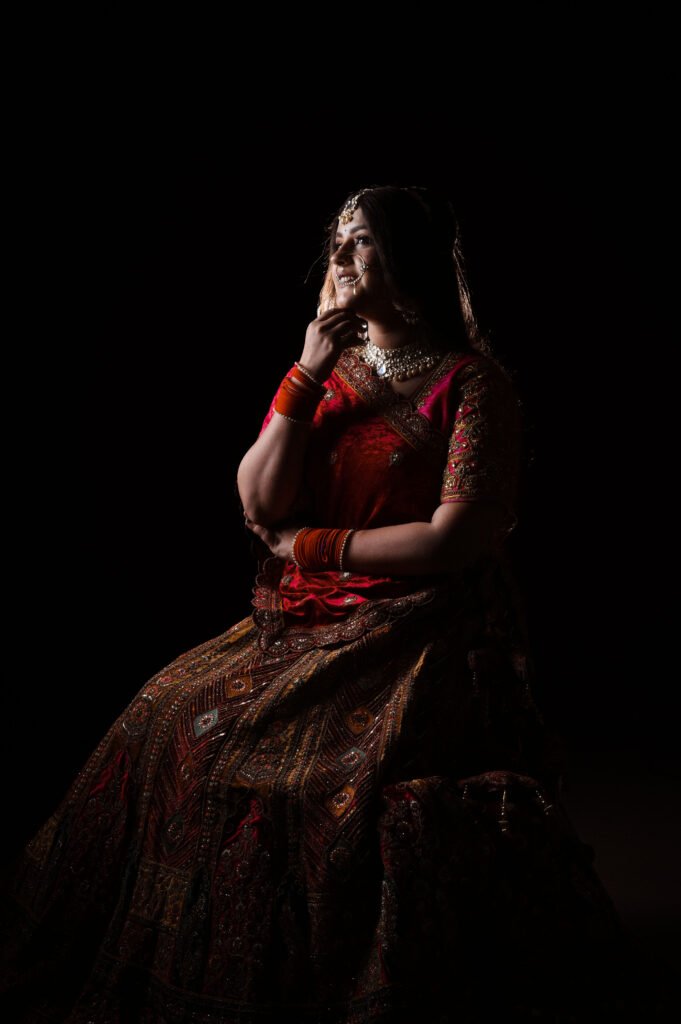
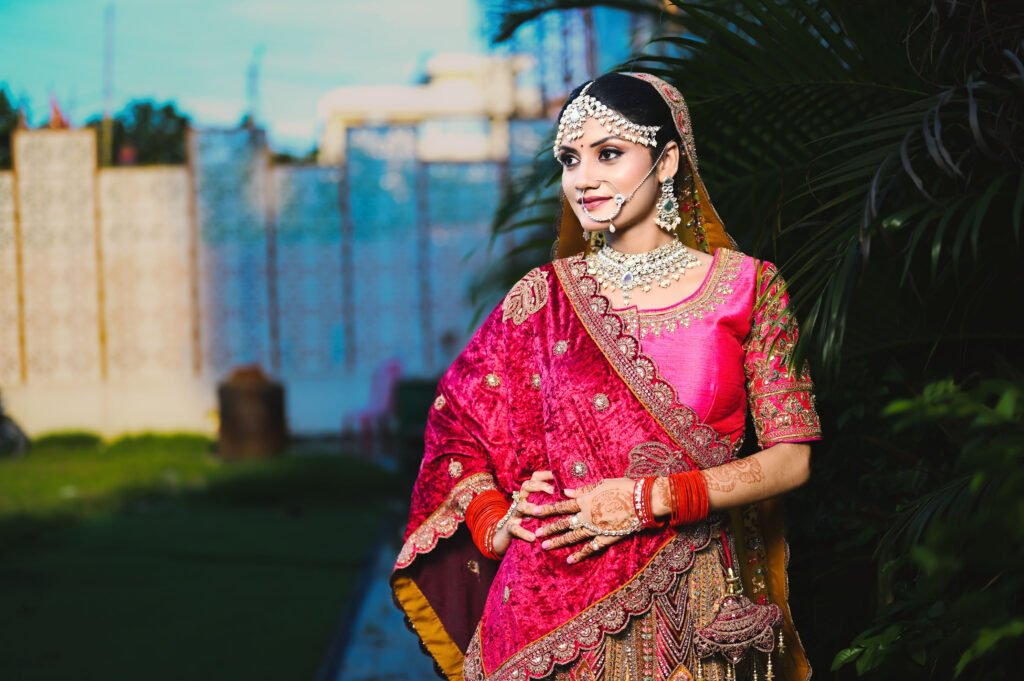
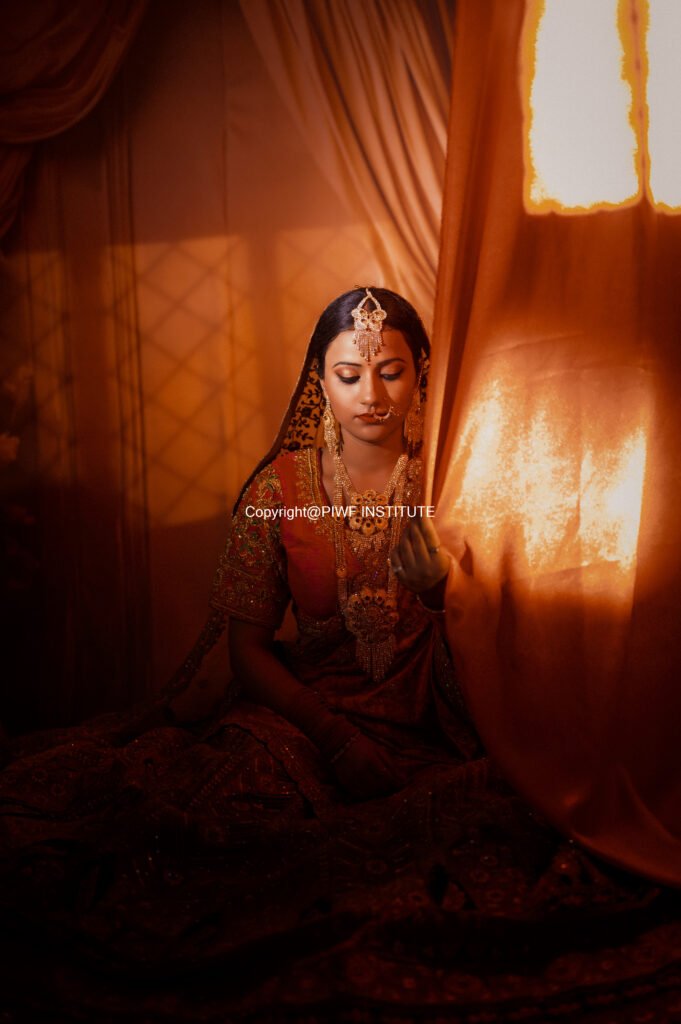
The Royal Sitting Pose: Highlight the bride’s attire and jewelry as she sits gracefully, exuding regal charm and sophistication.
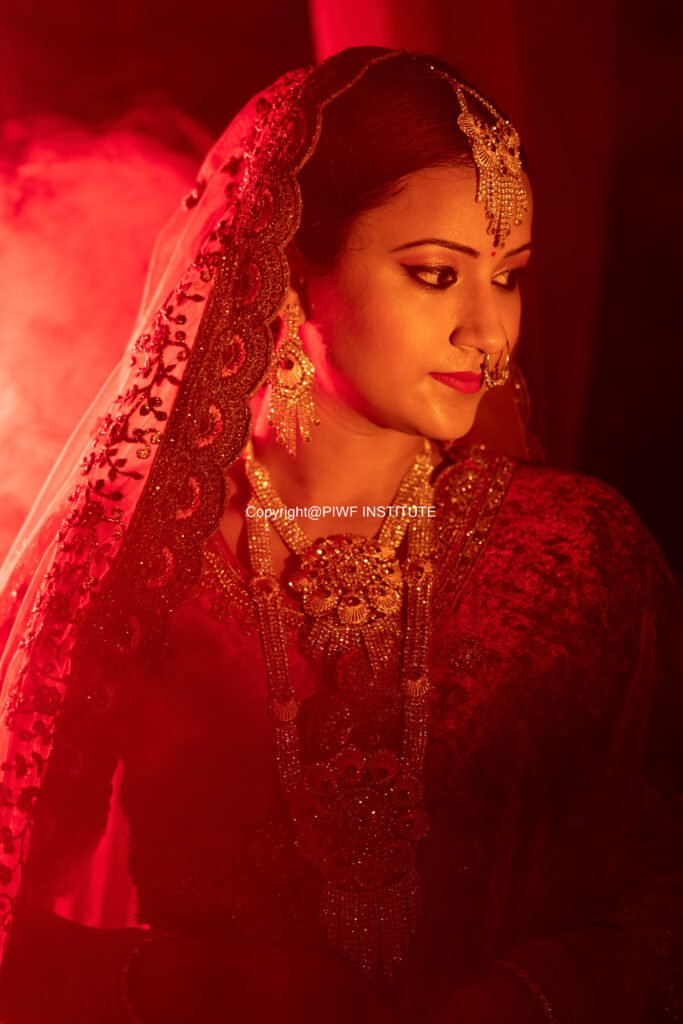
Over-the-Shoulder Look: A classic pose where the bride looks back over her shoulder, offering a flattering and timeless shot.
Twirl Pose: Showcase the movement and intricate design of the bridal lehenga as the bride gracefully twirls, adding joy and playfulness to the shot.
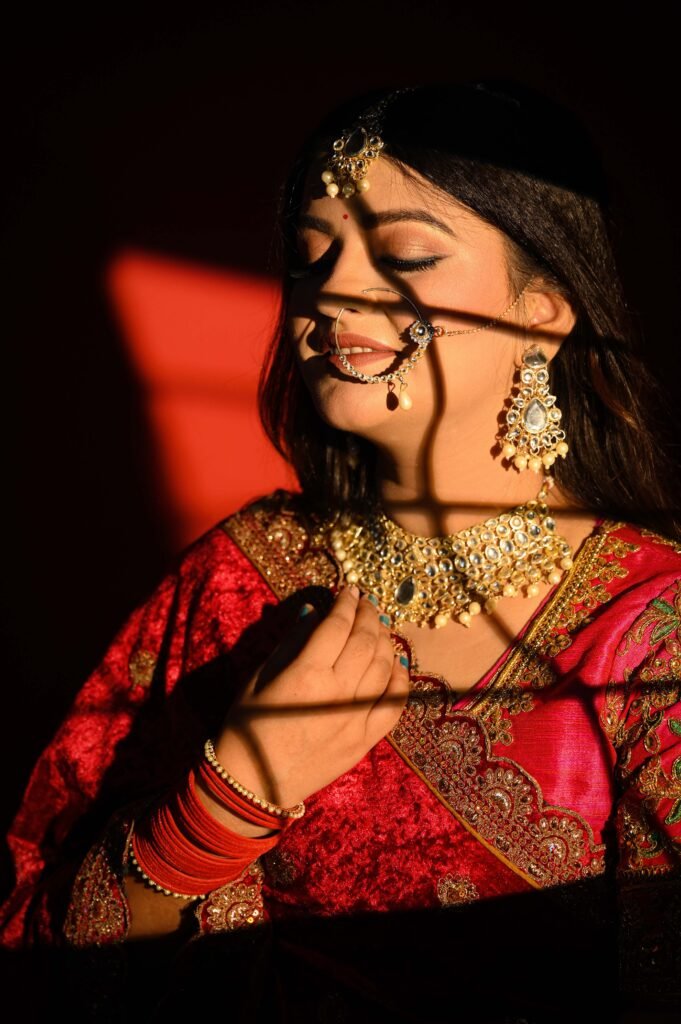
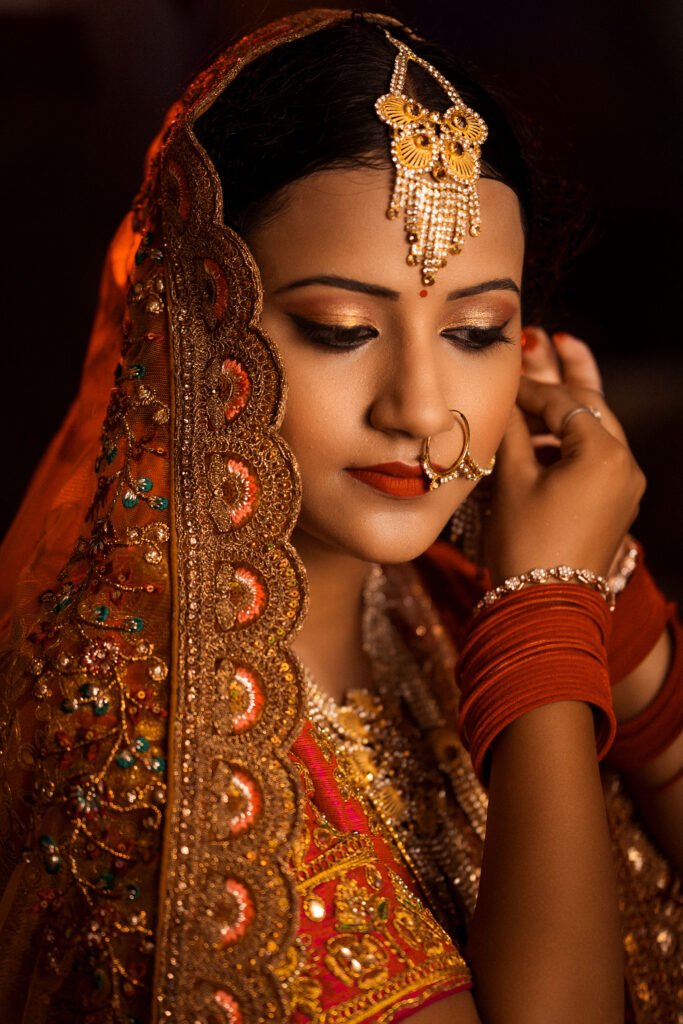
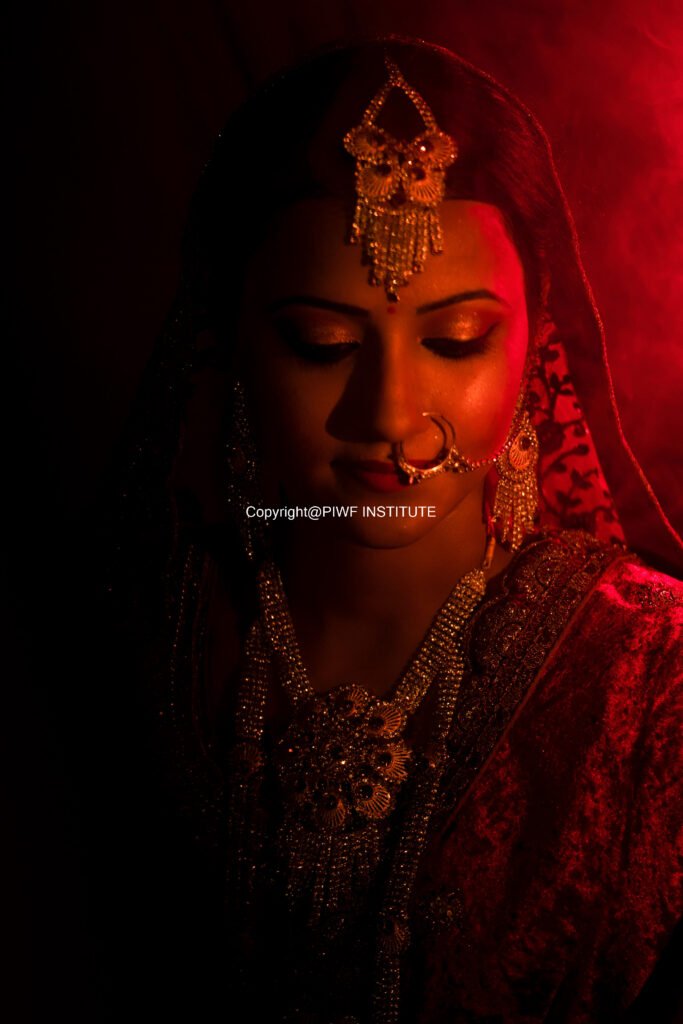
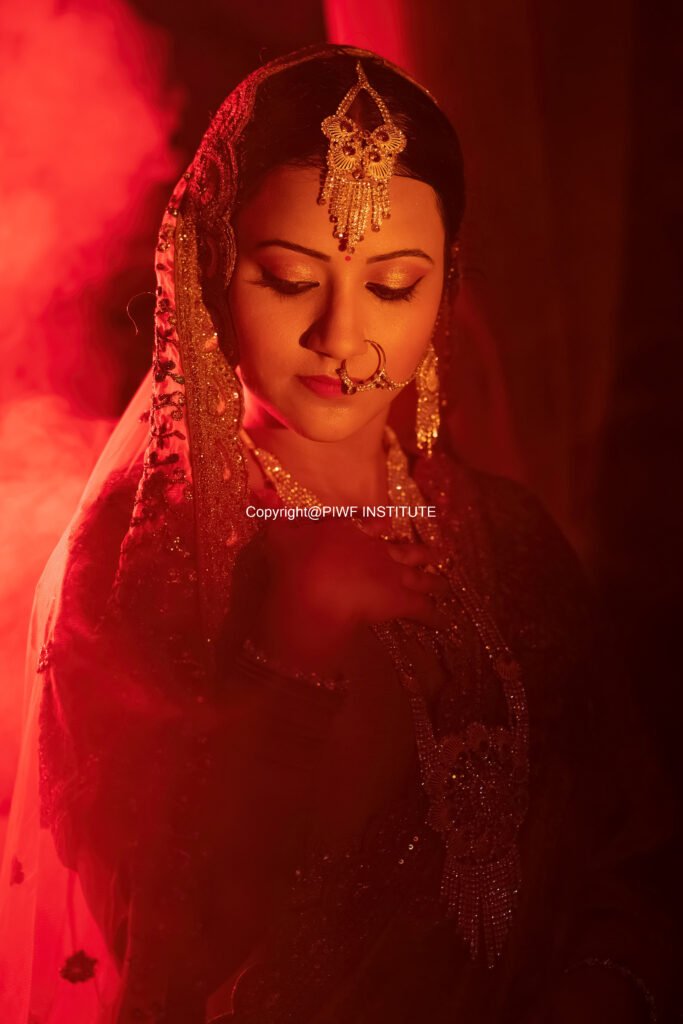
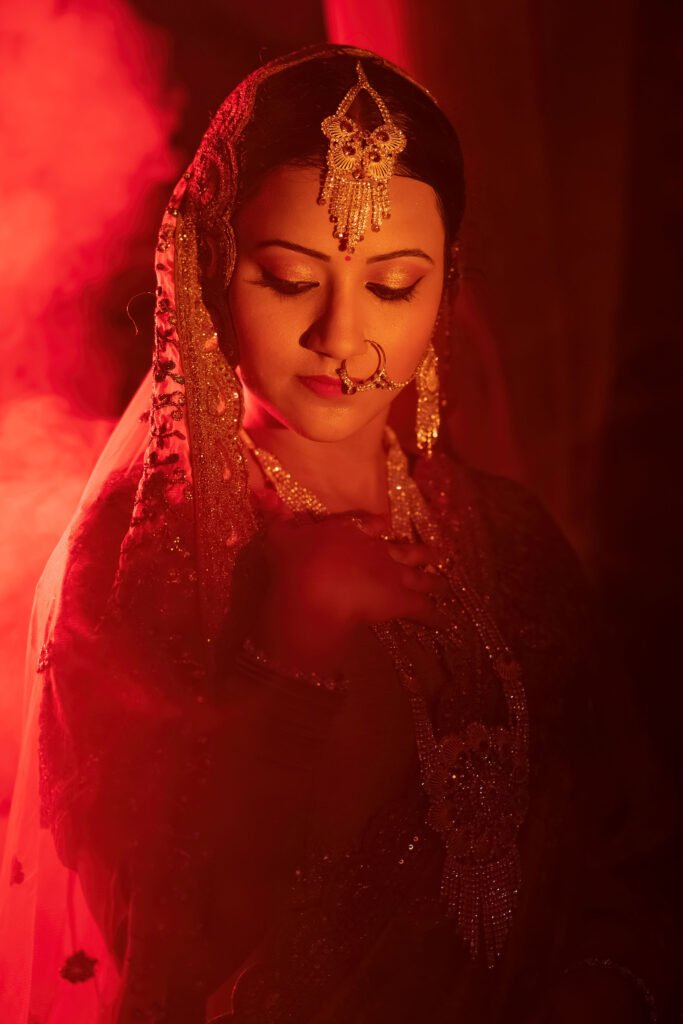
Contemplative Pose: Capture a serene moment with the bride looking down or closing her eyes, reflecting calmness and introspection.
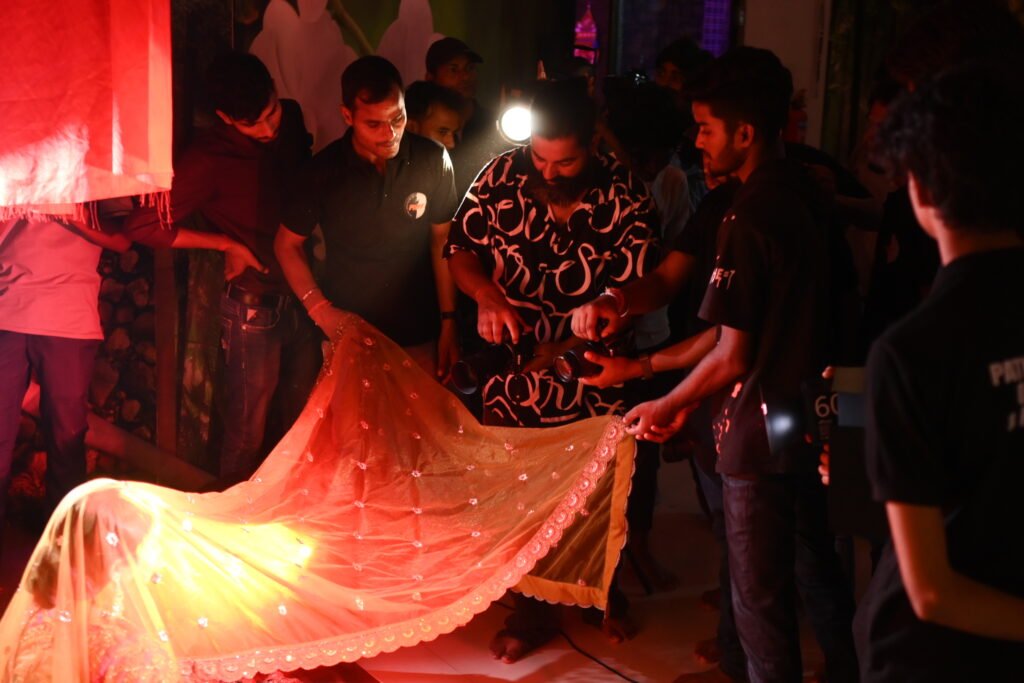
The Dupatta Play Pose: Perfect for capturing candid shots, this pose involves the bride delicately playing with her dupatta, adding a touch of natural movement.
Mirror Reflection Pose: Use mirrors to creatively capture both the front and profile of the bride, enhancing the complexity of the shot.
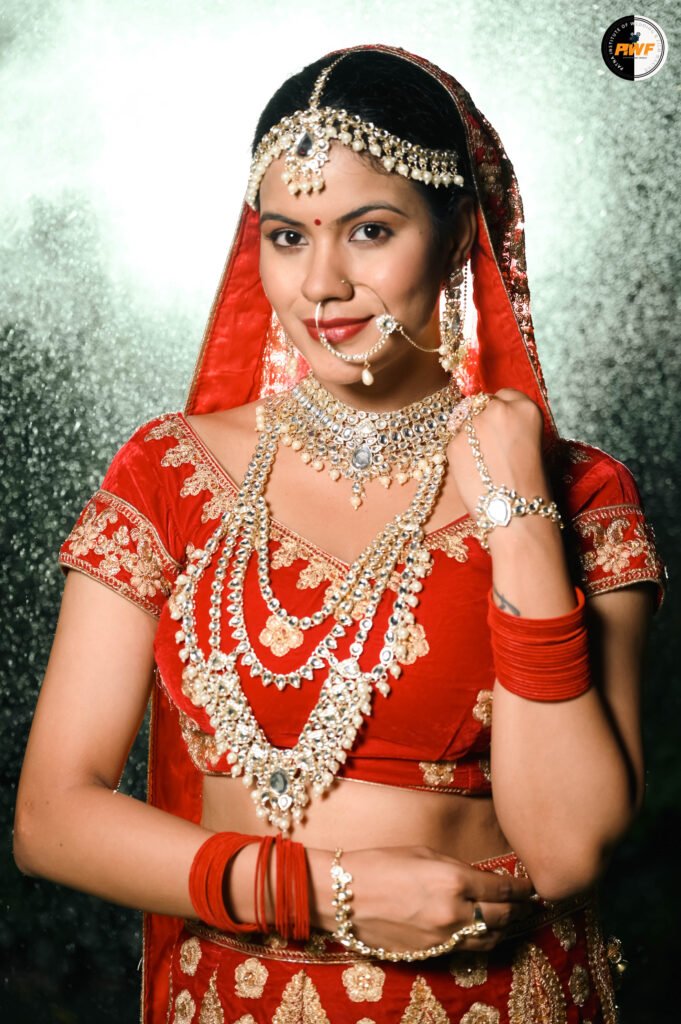
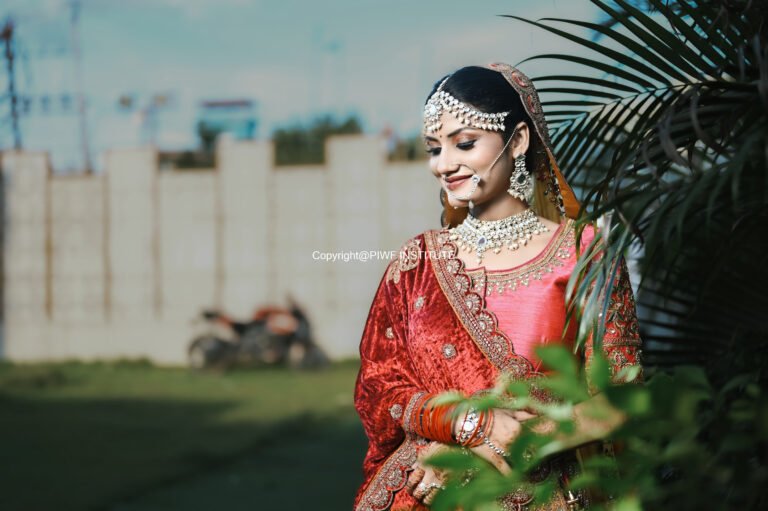
The Smile Pose: A simple yet effective pose where the bride’s genuine smile is the focal point, reflecting her happiness and joy.
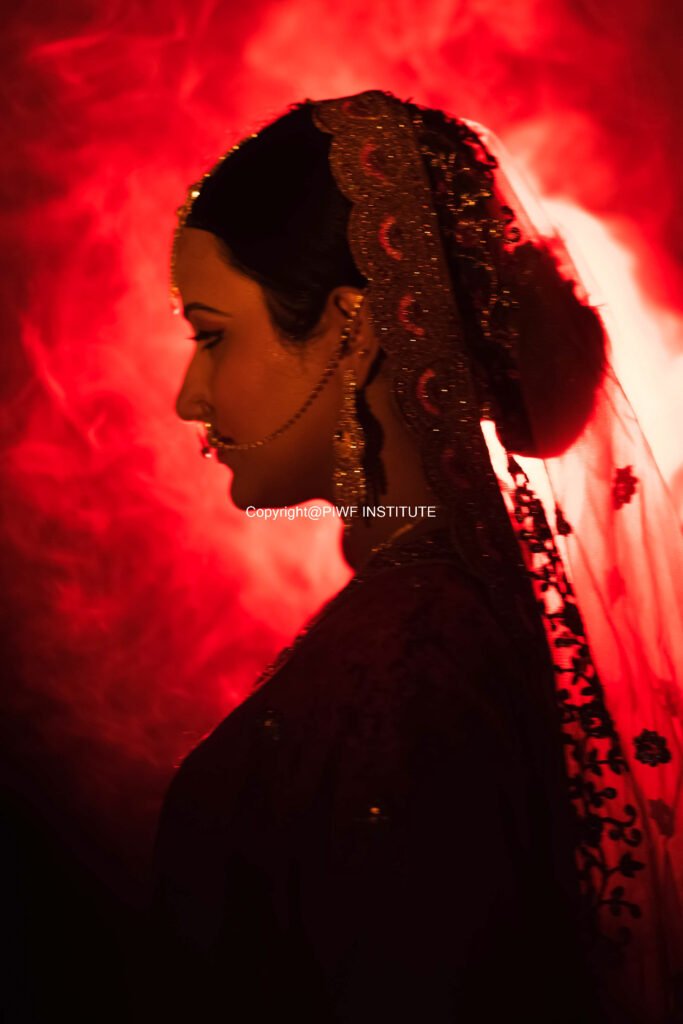
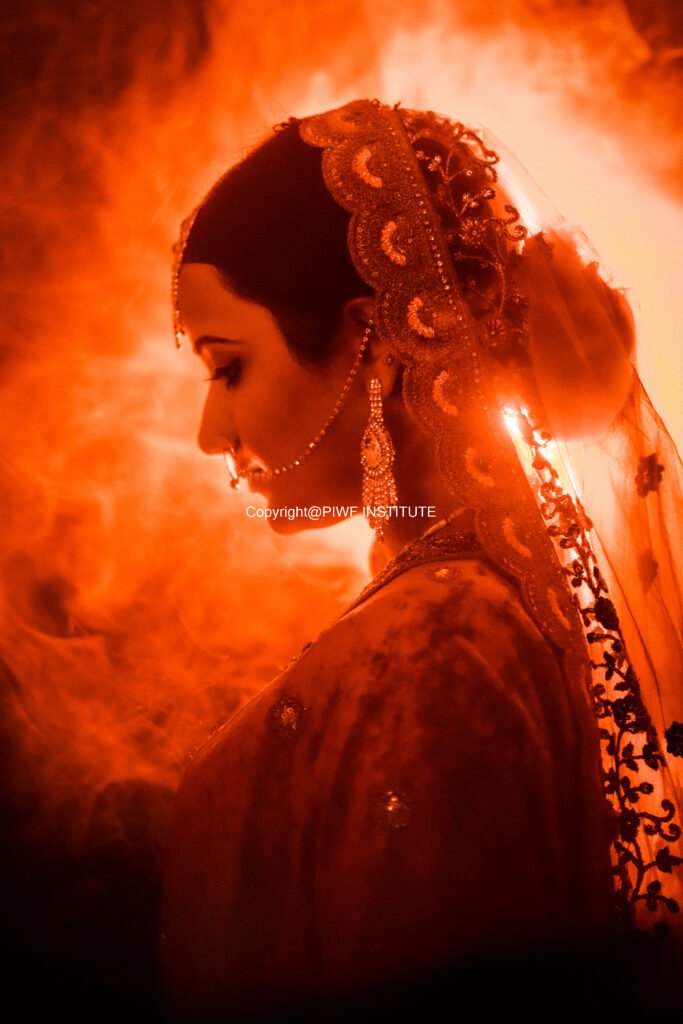
Side Profile Pose: Highlight the bride’s features and jewelry by capturing her side profile, emphasizing the details of her look.
Candid Laughter Pose: Encourage natural laughter and capture the spontaneous, joyful moments that showcase the bride’s true personality.
These poses, combined with the right lighting and guidance, can create stunning photographs that beautifully capture the essence of an Indian bride. Use these tips to enhance your bridal photography skills and deliver images that will be cherished forever.
Capturing the essence of a bride is not just about clicking pictures; it’s about telling a story through each frame.
At PIWF Institute, we believe in transforming every bridal shoot into a visual symphony that speaks volumes about the emotions, culture, and traditions associated with weddings. Our specialized cinematography classes, led by industry expert Amit Kumar, are designed to equip aspiring filmmakers and photographers with the skills to create stunning bridal visuals that stand out.
The Magic of Bridal Cinematography
Bridal cinematography is an art that goes beyond traditional wedding photography. It involves creating a narrative that highlights the beauty, grace, and emotions of the bride on her most special day. At PIWF Institute, we delve into the world of storytelling through cinematic techniques that bring out the best in every shot. Whether it’s capturing the subtlety of a smile, the intricacy of the bridal attire, or the glow of anticipation in the bride’s eyes, every detail is carefully composed to reflect the magic of the moment.
Light Design: The Game Changer
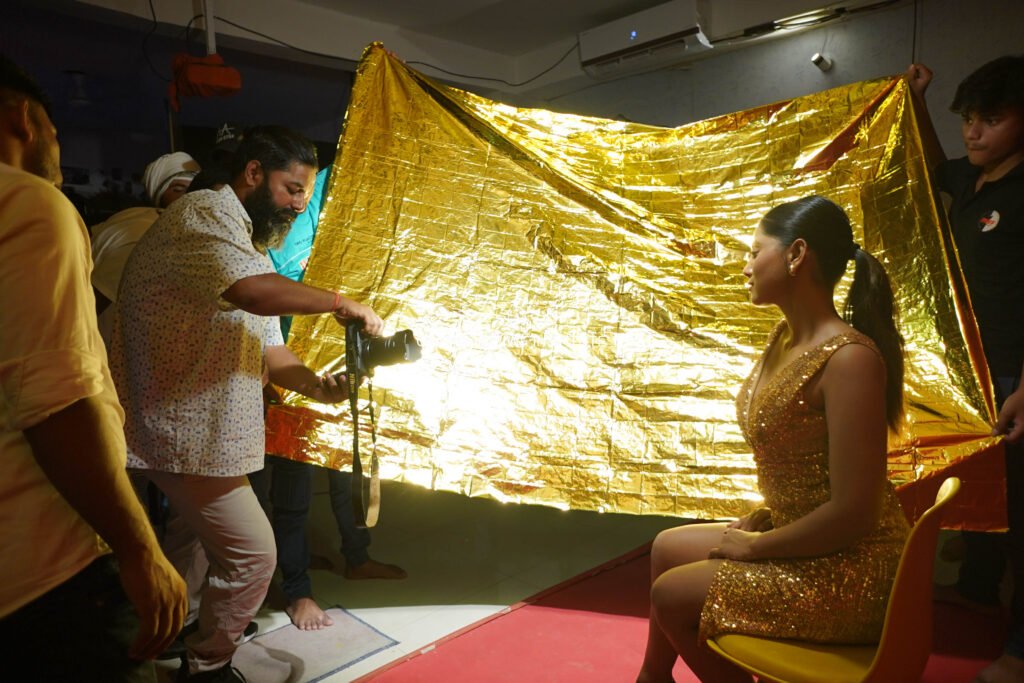
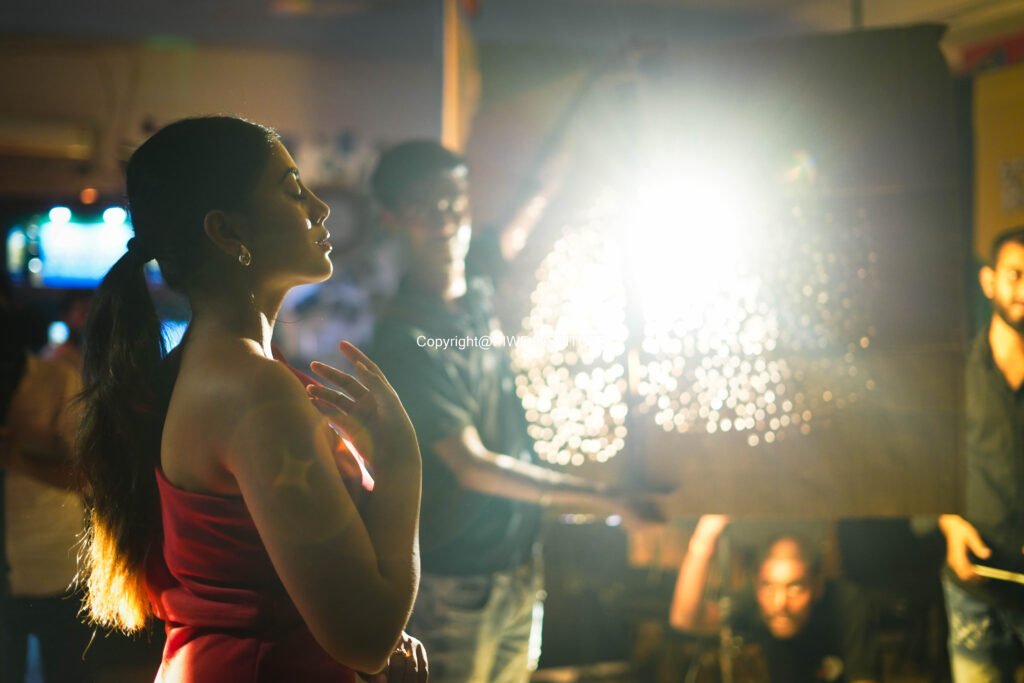
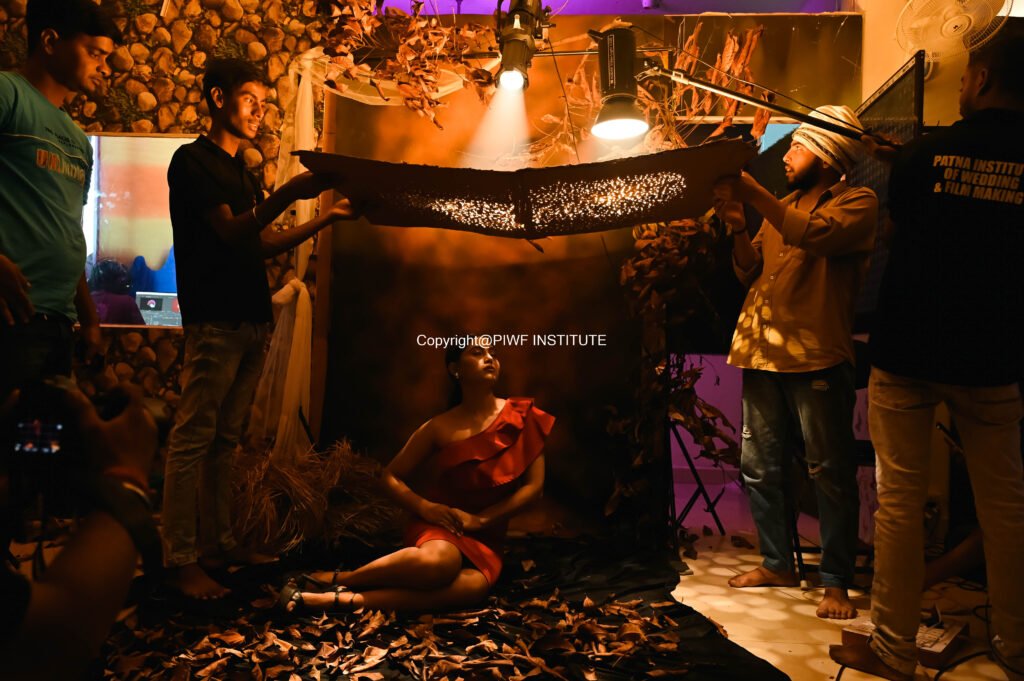
Lighting is one of the most crucial elements in bridal cinematography, and at PIWF Institute, we pay special attention to mastering it. Under the mentorship of Amit Kumar, students learn how to manipulate light to enhance the bride’s features, highlight the intricate details of her outfit, and set the perfect mood for each shot. The use of lighting techniques such as soft, diffused lighting for a dreamy look or dramatic lighting for a bold and striking effect can completely transform the atmosphere of the shoot.
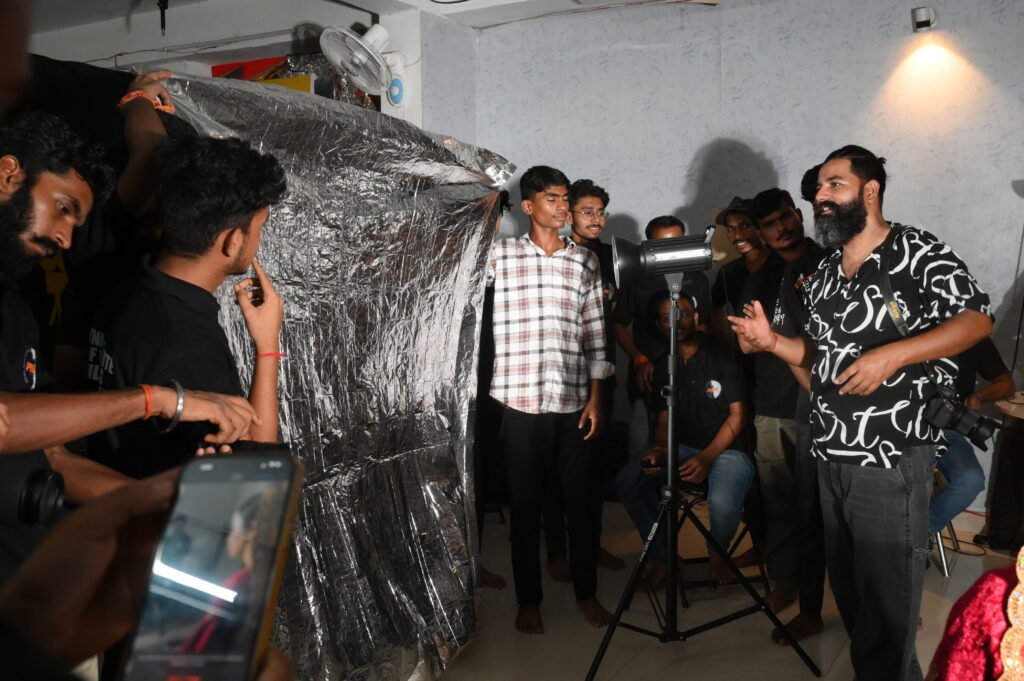
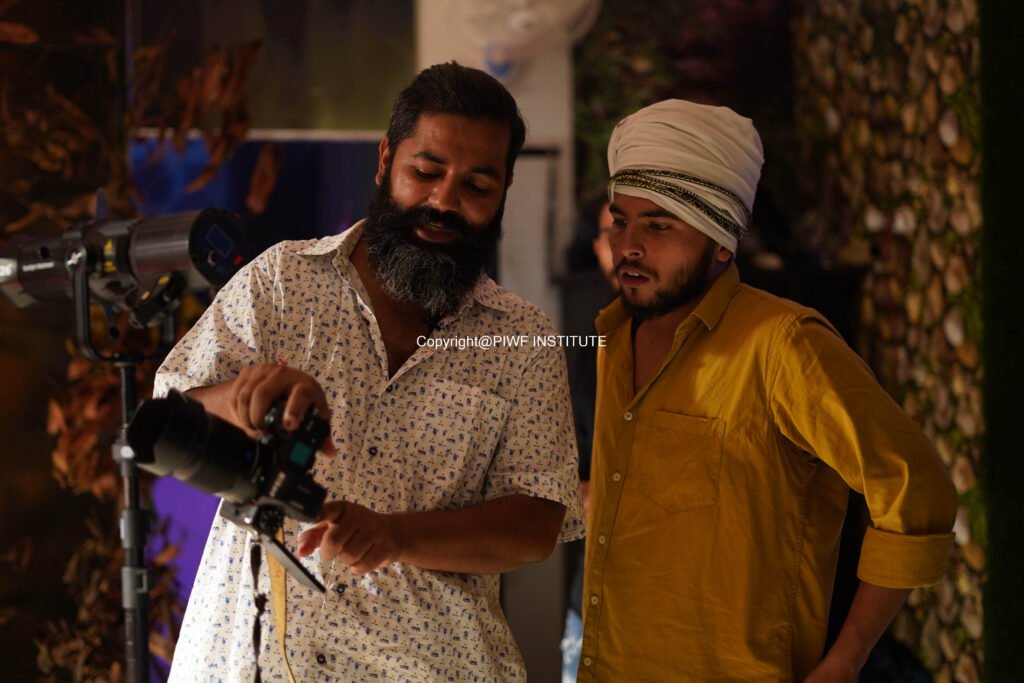
Amit Kumar emphasizes the importance of understanding light direction, intensity, and color temperature to achieve the desired aesthetic. With hands-on training using the latest equipment, including the Nikon Z6III, students learn to work with natural and artificial light sources, reflectors, and modifiers to create stunning visual effects that elevate their work.
Hands-On Training with Nikon Z6III
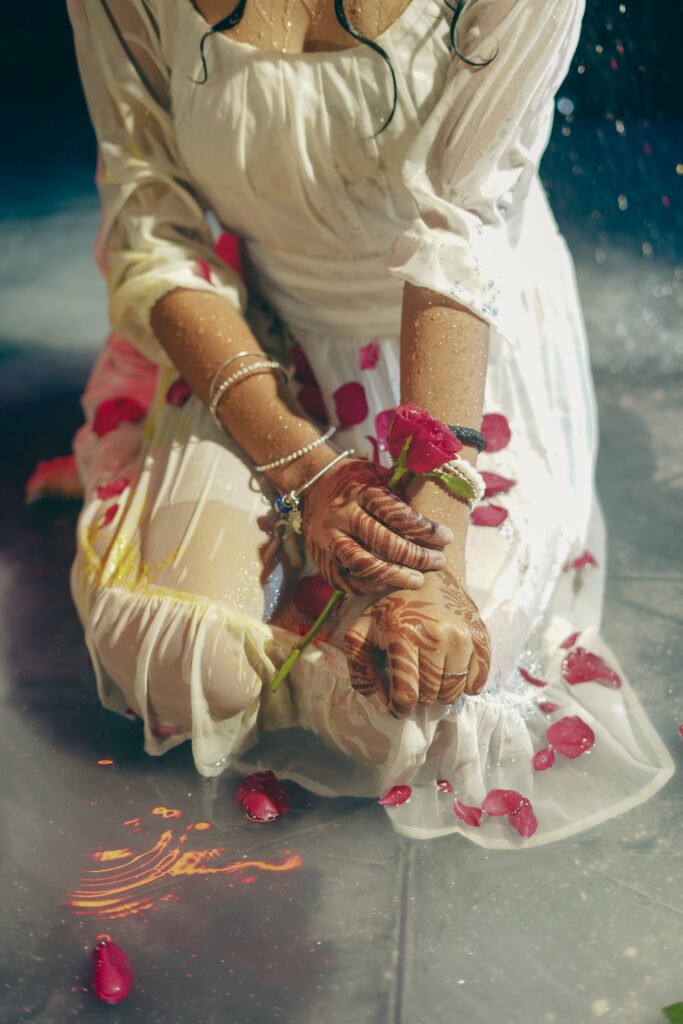
At PIWF Institute, we believe in learning by doing. Our students get the opportunity to work with top-of-the-line equipment like the Nikon Z6III, which is known for its exceptional image quality, fast autofocus, and versatility. With its advanced features, students can experiment with various settings and techniques to capture the finest details of the bride, from her jewelry to her intricate henna designs.
The practical sessions are designed to provide a real-world experience, where students are guided on how to make the most of their equipment under different lighting conditions. From golden hour shoots to indoor low-light scenarios, students gain valuable insights into adapting their techniques to different environments.
Mentorship by Amit Kumar: Learning from the Best
Amit Kumar, a renowned name in the world of wedding cinematography, brings his years of experience and artistic vision to PIWF Institute. His mentorship goes beyond teaching the technical aspects of cinematography; he inspires students to think creatively and push their boundaries. Amit’s approach combines traditional techniques with modern trends, ensuring that students are well-versed in the current demands of the wedding industry.
Through personalized feedback, live demonstrations, and interactive sessions, Amit guides students in refining their skills and developing their unique style. His emphasis on storytelling, attention to detail, and dedication to capturing authentic moments sets the standard for aspiring cinematographers.
Why Choose PIWF Institute?
Expert Mentorship: Learn from industry professionals like Amit Kumar who are passionate about sharing their knowledge and helping students excel.
State-of-the-Art Equipment: Gain hands-on experience with the latest cameras and lighting gear, including the Nikon Z6III.
Comprehensive Curriculum: Our classes cover everything from basic cinematography principles to advanced lighting design, ensuring you have a well-rounded skill set.
Real-World Experience: Participate in live shoots, practical workshops, and project-based learning that simulate real wedding scenarios.
Networking Opportunities: Connect with like-minded peers, industry experts, and potential clients through our extensive network.
Join Us Today!
Take your first step towards becoming a master of bridal cinematography with PIWF Institute. Enroll in our next batch and discover the art of capturing timeless bridal moments with finesse and creativity. Let us help you turn your passion into a profession!
For more information, visit our website or contact us directly. Follow us on social media to stay updated on upcoming classes, workshops, and events!
Capturing Timeless Elegance: A Look into Bridal Photography at PIWF Institute
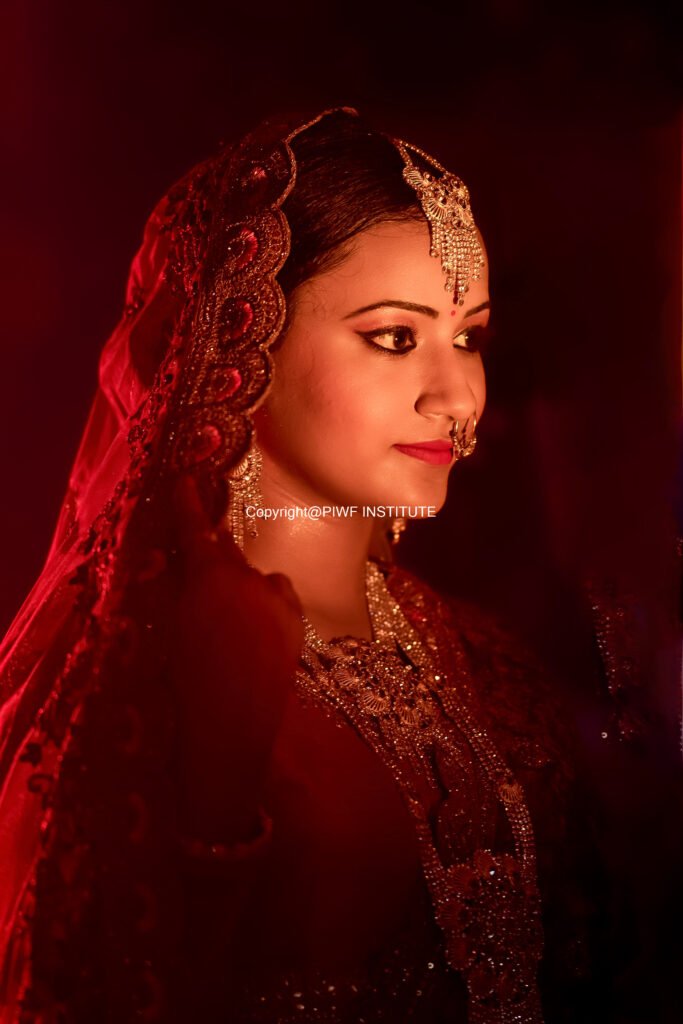
At PIWF Institute, bridal photography isn’t just about taking pictures—it’s about telling a story, capturing emotions, and preserving moments that will be cherished forever. Our recent bridal photography assignment was a true testament to the art of wedding storytelling, and we couldn’t be prouder of the stunning results our students achieved.
The Art of Bridal Photography
Bridal photography is a delicate balance of artistry and technique. It’s about understanding light, composition, and the subtleties of emotions. But most importantly, it’s about creating an environment where the bride feels comfortable, confident, and beautiful. This is where our students truly excelled during their recent assignment.
Behind the Lens: A Collaborative Journey
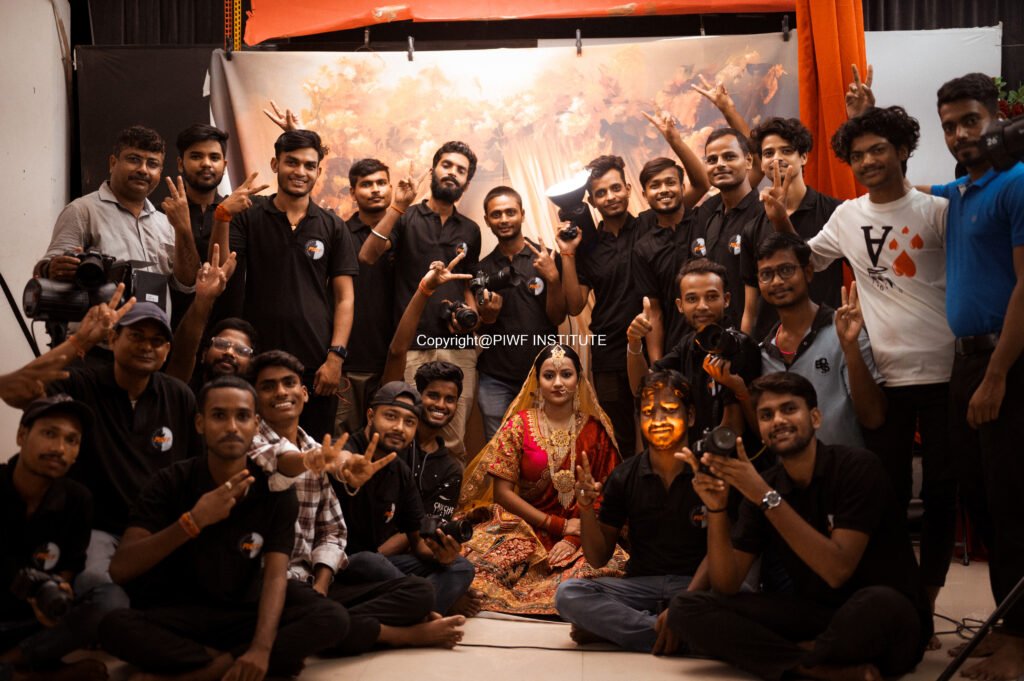
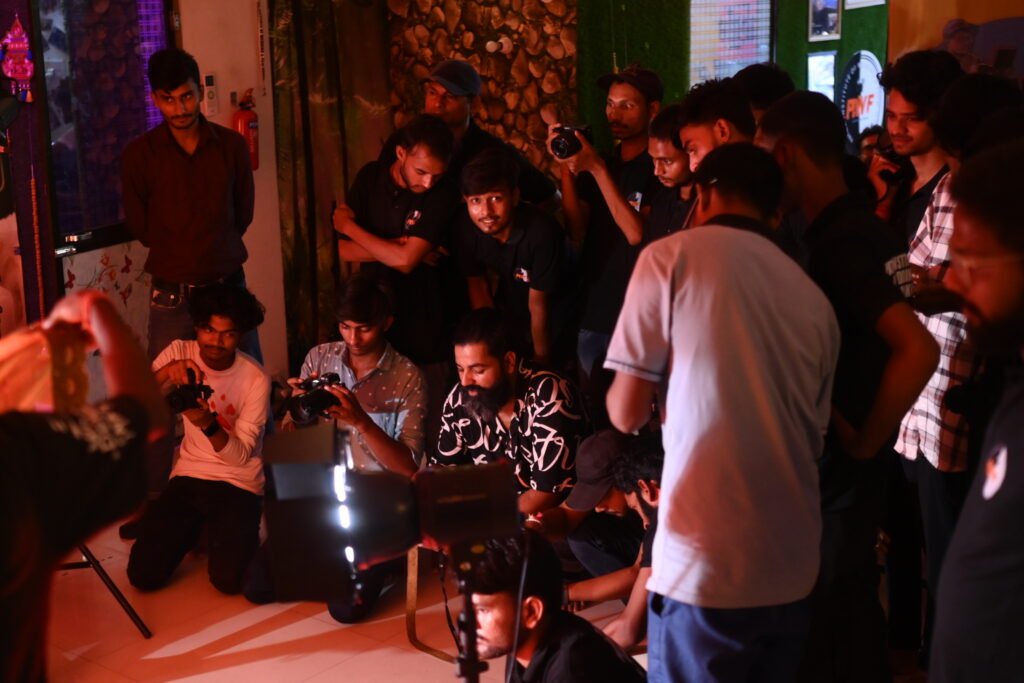
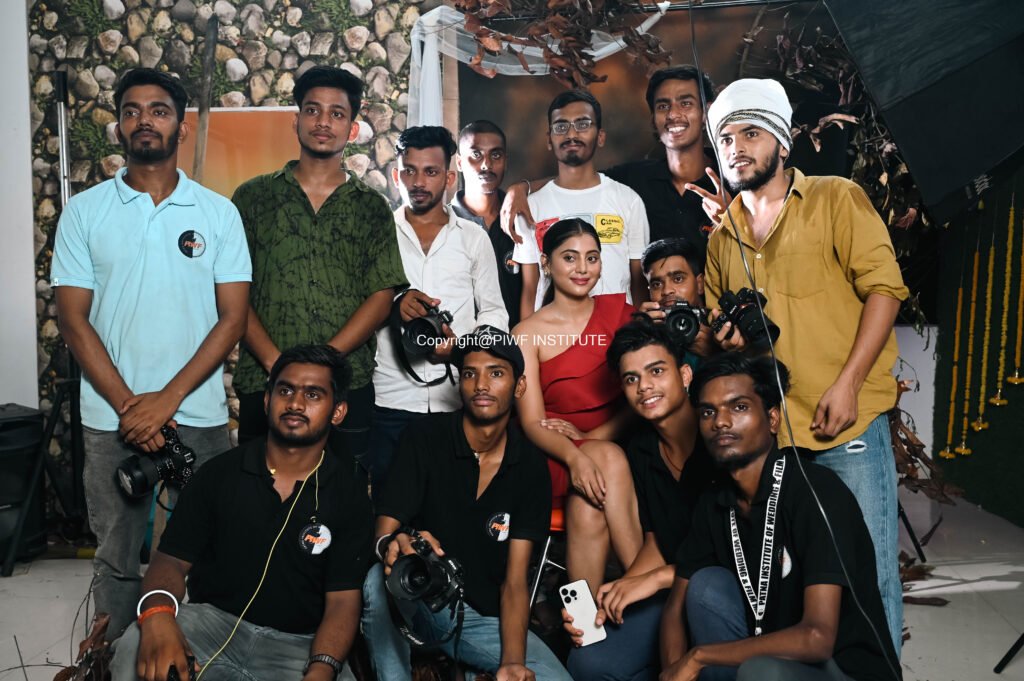
Under the expert guidance of our mentor Amit Kumar, the students worked diligently to bring out the best in each shot. From the initial setup to the final click, every detail was meticulously planned. The result? Breathtaking images that capture the essence of the bride’s personality and the joy of the occasion.
Showcasing the Output
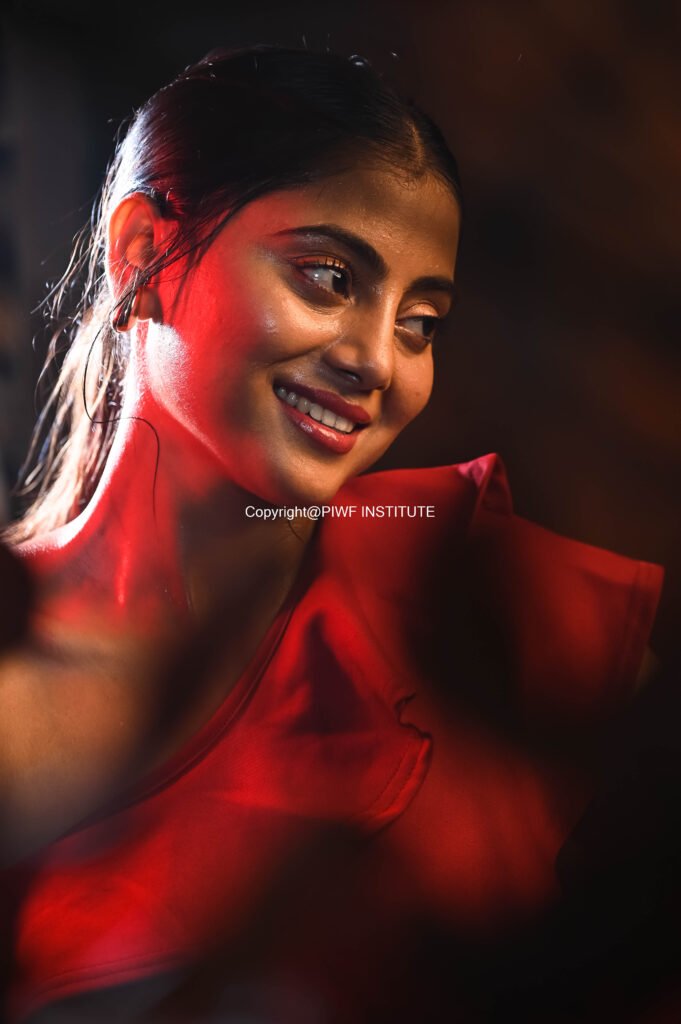
Here’s a glimpse of the stunning images our students produced:
Each photograph is a work of art, reflecting not just the technical skills of the students but also their ability to connect with their subject. The soft lighting, the perfect angles, and the genuine expressions all come together to create images that are as timeless as the memories they represent.
What Makes PIWF Institute Unique?
At PIWF Institute, we believe in hands-on learning. Our bridal photography assignments are designed to give students real-world experience, helping them to develop their own style and build a strong portfolio. With the guidance of industry professionals, students learn to master the craft and make their mark in the world of wedding photography.
Join Us on This Creative Journey
If you’re passionate about photography and want to take your skills to the next level, PIWF Institute is the place for you. Our comprehensive courses in wedding photography, cinematography, and video editing are designed to give you the tools you need to succeed in this exciting industry.
Stay tuned for more stunning images and behind-the-scenes stories from our talented students!
At PIWF Institute, we believe in nurturing creative talent by providing hands-on experience in real-world scenarios. Our recent assignment on portrait photography was designed to challenge our students, pushing them to explore the depths of lighting, composition, and emotion in their work.
The Creative Vision
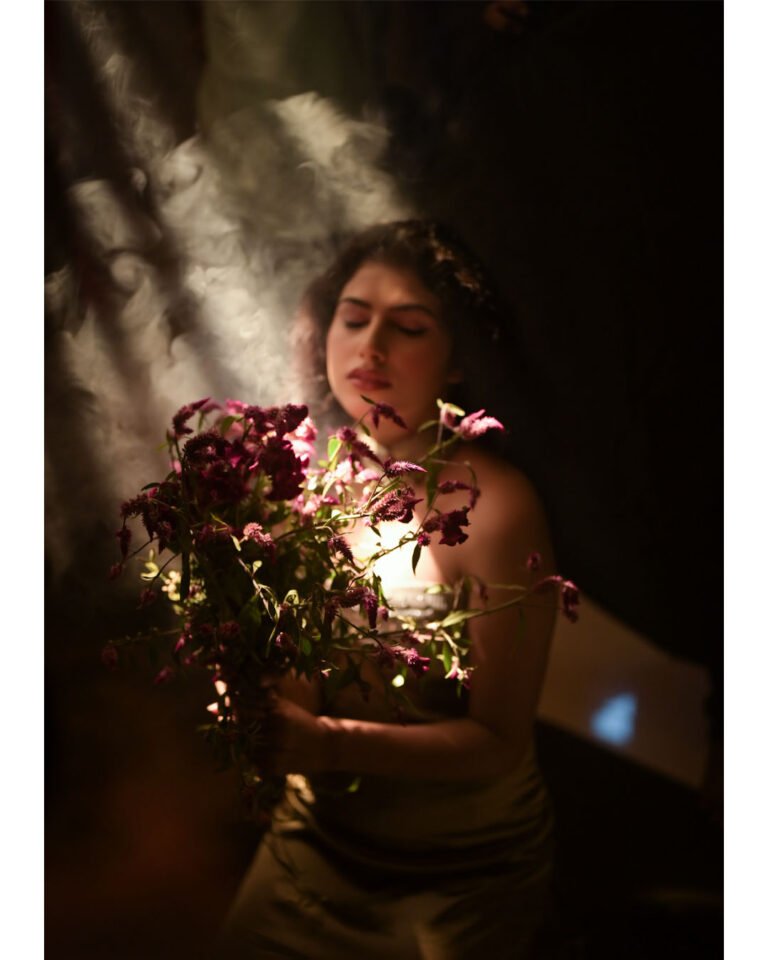
Every great portrait begins with a vision. For this assignment, the theme was “Expression Through Light.” The objective was to capture the essence of the model’s personality using various lighting techniques, from vibrant colors to stark monochrome contrasts. This exercise not only honed the students’ technical skills but also encouraged them to think deeply about how light and shadow can convey emotion and narrative.
Lighting: The Sculptor of Emotions
Lighting is one of the most powerful tools in a photographer’s arsenal. In this assignment, students were encouraged to experiment with different lighting setups to see how it transformed the mood and feel of their portraits. Whether it was the dramatic green backlighting or the soft, diffused light creating gentle shadows, each setup had its own story to tell.
Our mentors guided students through the process, teaching them how to manipulate light to accentuate certain features, create depth, and evoke specific emotions. The students learned how to balance natural and artificial light, how to use reflectors and diffusers, and how to work with various types of lighting equipment.
The Model’s Influence
A portrait is as much about the model as it is about the technique. Our model brought her A-game to the shoot, offering a range of expressions that added life to each photograph. The connection between the photographer and the model is crucial, and our students learned how to direct and interact with the model to bring out her best performance.
The result? Stunning images that not only showcased the model’s beauty but also captured the subtle nuances of her personality.
Technical Execution
Portrait photography is as much about technical execution as it is about creative vision. Our students learned the importance of selecting the right lens, setting the correct aperture and shutter speed, and fine-tuning the camera settings to achieve the desired effect. They also explored the role of post-processing in enhancing the final image, without losing the integrity of the original shot.
Throughout the assignment, students were encouraged to think critically about their choices and to understand the impact of each decision on the final outcome. This hands-on experience is invaluable in helping them develop a strong foundation in photography.
Looking Ahead
At PIWF Institute, we are committed to providing our students with opportunities to grow and refine their skills. This assignment was just one of many that our students will undertake as they continue their journey in the world of filmmaking and photography.
We believe that by combining technical knowledge with creative exploration, our students will not only become skilled photographers but also artists who can tell powerful stories through their work.
Stay tuned to our blog for more updates on our courses, workshops, and student projects. If you’re passionate about photography or filmmaking, PIWF Institute is the place to be!
Join Us!
If you’re interested in learning more about our courses or want to be part of a dynamic community of creatives, visit our website or contact us today. Let’s create something amazing together!
Wedding photography is a unique blend of art and technique, capturing one of the most important days in a couple’s life. For those with a passion for storytelling through images, wedding photography offers a rewarding and exciting career path. If you’re looking to hone your skills and become one of the best wedding photographers, PIWF Institute in Patna offers comprehensive courses designed to equip you with the necessary expertise. Here’s a closer look at what our wedding photography courses entail and why PIWF Institute is the best place to start your journey.
1. Emotionally Rewarding
Wedding photography allows you to capture heartfelt moments and genuine emotions. It’s a fulfilling job that lets you play a significant role in preserving precious memories for couples and their families.
2. High Demand
Weddings are a constant throughout the year, ensuring a steady demand for skilled wedding photographers. This provides a reliable source of income and numerous job opportunities.
3. Creative Freedom
Wedding photography gives you the freedom to express your creativity. From candid shots to beautifully posed portraits, you have the opportunity to experiment with different styles and techniques.
4. Diverse Opportunities
Apart from wedding day photography, there are various related opportunities such as engagement shoots, pre-wedding shoots, and post-wedding sessions. This variety keeps the job exciting and dynamic.
Why Choose PIWF Institute?
1. Experienced Mentors
Our instructors at PIWF Institute are seasoned wedding photographers who bring their extensive experience to the classroom. Mentors like Dhiraj Kumar and Soumyajit Maitra provide invaluable insights and hands-on guidance.
2. Comprehensive Curriculum
Our wedding photography courses cover all aspects of the trade. You’ll learn about camera settings, lighting techniques, posing, composition, and post-processing. We also provide training on client interaction and business management to ensure you’re fully prepared for the professional world.
3. State-of-the-Art Equipment
At PIWF Institute, you’ll have access to the latest photography equipment and software. Our facilities are designed to give you a professional environment where you can practice and perfect your skills.
4. Practical Experience
We emphasize learning by doing. Our courses include real-world assignments, live shoots, and workshops that give you practical experience. Collaborations with local wedding planners and events provide opportunities to work on actual weddings.
5. Networking Opportunities
Joining PIWF Institute means becoming part of a vibrant community of photographers. You’ll have the chance to network with peers, participate in events, and build relationships that can help you in your career.
Our Wedding Photography Courses
1. Basic Wedding Photography Course
This course is ideal for beginners. It covers the fundamentals of wedding photography, including basic camera settings, composition, and lighting techniques. You’ll also learn about the workflow of a wedding day.
2. Advanced Wedding Photography Course
For those with some experience, this course delves deeper into advanced techniques. Topics include creative lighting, advanced posing, photojournalistic wedding photography, and post-processing skills.
3. Specialized Workshops
We offer specialized workshops focusing on specific aspects of wedding photography, such as bridal portraits, candid photography, and cinematic wedding videography. These workshops help you refine your skills and learn new techniques.
4. Short-Term Courses
Our short-term courses are designed for individuals looking to quickly gain practical wedding photography skills. These intensive courses provide hands-on experience and cover essential techniques in a condensed timeframe.
How to Enroll?
Enrolling in PIWF Institute’s wedding photography courses is simple:
Visit Our Website: Go to the PIWF Institute website and navigate to the wedding photography courses section.
Fill Out the Application: Complete the online application form with your details.
Submit Required Documents: Provide your educational certificates and any other necessary documents.
Attend an Interview: Participate in an interview or assessment to showcase your passion and interest in wedding photography.
Enroll: Once accepted, complete the enrollment process and get ready to start your wedding photography journey.
Conclusion
If you’re passionate about capturing beautiful moments and want to make a career out of wedding photography, PIWF Institute in Patna is the perfect place to start. With experienced mentors, a comprehensive curriculum, state-of-the-art equipment, and ample opportunities for practical experience, we provide everything you need to succeed. Join us and take the first step towards becoming one of the best wedding photographers.
Contact Us For more information, visit our website or contact us at:
Bihar, a state rich in culture and history, is rapidly emerging as a hub for aspiring filmmakers. With the rise of digital media and the increasing popularity of regional cinema, the demand for professional filmmaking courses has grown significantly. If you’re passionate about storytelling through film and want to turn your dreams into reality, PIWF Institute in Bihar offers some of the best filmmaking courses designed to equip you with the skills and knowledge needed to succeed in the industry.
1. Experienced Mentors
At PIWF Institute, you will learn from industry experts who bring years of experience and a wealth of knowledge. Our mentors include renowned filmmakers and professionals who have worked on a variety of successful projects. Their guidance will help you understand both the creative and technical aspects of filmmaking.
2. Comprehensive Curriculum
Our filmmaking courses cover every aspect of the filmmaking process. From scriptwriting and pre-production planning to shooting and post-production, you’ll gain hands-on experience in all areas. The curriculum is designed to provide a balance of theoretical knowledge and practical skills.
3. State-of-the-Art Facilities
PIWF Institute is equipped with modern facilities and the latest filmmaking equipment. Our studios, editing labs, and production facilities provide you with a professional environment to practice and hone your skills.
4. Real-World Experience
We believe in learning by doing. Our courses include real-world assignments, workshops, and internships that give you practical experience in the field. Collaborations with production houses and media companies provide unique opportunities to work on live projects.
5. Networking and Community
Joining PIWF Institute means becoming part of a vibrant community of filmmakers. You’ll have opportunities to collaborate with peers, participate in film festivals, and build a network that can support your career growth.
Our Filmmaking Courses
1. Diploma in Filmmaking
This comprehensive course covers all aspects of filmmaking, including screenwriting, directing, cinematography, editing, and production management. It is designed for beginners and provides a solid foundation for a career in film.
2. Advanced Filmmaking Course
For those who already have some experience in filmmaking, this course delves deeper into advanced techniques and concepts. You’ll learn about advanced cinematography, sound design, visual effects, and more.
3. Specialized Workshops
We offer a variety of workshops focused on specific areas of filmmaking, such as scriptwriting, documentary filmmaking, and digital cinematography. These workshops are ideal for those looking to enhance specific skills or explore new aspects of filmmaking.
4. Short-Term Courses
Our short-term courses are designed for individuals who want to gain quick insights into filmmaking. These intensive courses cover essential topics and provide hands-on experience in a condensed timeframe.
How to Enroll?
Enrolling in PIWF Institute’s filmmaking courses is simple:
Visit Our Website: Go to the PIWF Institute website and navigate to the filmmaking courses section.
Fill Out the Application: Complete the online application form with your details.
Submit Required Documents: Provide your educational certificates and any other necessary documents.
Attend an Interview: Participate in an interview or assessment to showcase your passion and interest in filmmaking.
Enroll: Once accepted, complete the enrollment process and get ready to start your filmmaking journey.
Conclusion
Bihar is a burgeoning center for aspiring filmmakers, and PIWF Institute stands at the forefront of providing top-notch filmmaking education. With experienced mentors, a comprehensive curriculum, state-of-the-art facilities, and ample opportunities for real-world experience, we are dedicated to helping you achieve your cinematic dreams. Join us and embark on an exciting journey to become a professional filmmaker.
Contact Us For more information, visit our website or contact us at:
Photography is a captivating art form that allows you to capture and preserve moments, tell stories, and express your creativity. Whether you’re looking to pursue photography as a hobby or a career, starting your journey can be both exciting and overwhelming. At PIWF Institute, we provide comprehensive photography courses that cater to beginners and help them master the fundamentals. Here’s a step-by-step guide on how to start learning photography.
Step 1: Understand the Basics
Learn the Fundamentals
Before diving into the technical aspects, it’s essential to understand the basics of photography. This includes learning about:
Exposure: The amount of light that reaches the camera sensor, controlled by aperture, shutter speed, and ISO.
Composition: How to arrange elements within a frame to create visually appealing photographs.
Lighting: Understanding natural and artificial light, and how to use it to your advantage.
Get Familiar with Your Camera
Whether you’re using a DSLR, mirrorless camera, or even a smartphone, it’s crucial to understand how your camera works. Learn about the different modes, settings, and features available.
Step 2: Practice, Practice, Practice
Start Shooting
The best way to learn photography is by practicing. Take your camera everywhere and start shooting. Experiment with different settings, angles, and lighting conditions.
Analyze Your Photos
Review your photos regularly and analyze what worked and what didn’t. Look for areas of improvement and try to understand the mistakes you made.
Step 3: Learn from Experts
Join a Photography Course
At PIWF Institute, we offer specialized photography courses that cover everything from the basics to advanced techniques. Our courses are designed to provide hands-on experience and are taught by industry experts like Dhiraj Kumar and Soumyajit Maitra.
Attend Workshops and Seminars
Workshops and seminars are excellent opportunities to learn from professionals and gain insights into different aspects of photography. PIWF Institute regularly organizes workshops with leading photographers and companies like Nikon.
Step 4: Understand Post-Processing
Learn Editing Software
Post-processing is a significant part of modern photography. Learn how to use editing software like Adobe Lightroom and Photoshop to enhance your photos and bring your creative vision to life.
Practice Editing
Just like shooting, editing requires practice. Experiment with different techniques and styles to find what works best for you.
Step 5: Build Your Portfolio
Create a Collection of Your Best Work
As you gain experience, start building a portfolio of your best photos. This will not only help you track your progress but also showcase your work to potential clients or employers.
Share Your Work
Use social media platforms like Instagram, Facebook, and Flickr to share your photos and connect with other photographers. Join photography communities and participate in contests to get feedback and exposure.
Step 6: Stay Inspired and Keep Learning
Follow Other Photographers
Follow photographers whose work you admire. Analyze their photos and try to understand their techniques and style.
Keep Experimenting
Photography is a continuous learning process. Keep experimenting with new techniques, subjects, and styles to keep your work fresh and exciting.
Conclusion
Starting your journey in photography can be a rewarding experience. By understanding the basics, practicing regularly, learning from experts, mastering post-processing, building a portfolio, and staying inspired, you can develop your skills and turn your passion into a profession. At PIWF Institute, we are committed to helping you achieve your photography goals. Join our photography courses and start your journey today.
Contact Us For more information, visit our website or contact us at:
Completing your 12th grade is a significant milestone, and it opens up a myriad of career opportunities. If you have a passion for capturing moments and telling stories through images, a career in photography might be the perfect path for you. At PIWF Institute, we offer comprehensive photography courses designed to turn your passion into a profession. Here’s why joining a photography course after 12th is a great idea and how PIWF Institute can help you achieve your dreams.
1. Creative Expression
Photography allows you to express your creativity and view the world from unique perspectives. It’s an art form that lets you capture emotions, stories, and moments that words often can’t describe.
2. Diverse Career Opportunities
From fashion photography to photojournalism, and from wedding photography to wildlife photography, the career opportunities in this field are vast. You can work as a freelance photographer, start your own business, or join media houses, advertising agencies, and more.
3. Travel and Exploration
Many photography careers offer the chance to travel and explore new places. Whether it’s covering events, capturing nature, or documenting cultures, photography can take you to exciting and new locations.
4. Evolving Technology
With advancements in technology, photography continues to evolve, offering new tools and techniques. This makes it an exciting field for those who love to learn and adapt to new trends.
Why PIWF Institute?
1. Expert Mentors
At PIWF Institute, you will learn from industry experts like Dhiraj Kumar and Soumyajit Maitra, who bring years of experience and a wealth of knowledge to the classroom. Their guidance ensures that you not only learn the technical skills but also the creative aspects of photography.
2. Comprehensive Curriculum
Our photography courses cover everything from the basics of camera operation to advanced editing techniques. You’ll learn about lighting, composition, post-processing, and how to develop a personal style. Our curriculum is designed to be hands-on, ensuring you get plenty of practical experience.
3. State-of-the-Art Facilities
PIWF Institute is equipped with modern facilities and the latest equipment, giving you the best environment to learn and practice photography. Our studios and labs provide a professional setting to hone your skills.
4. Networking Opportunities
Being a part of PIWF Institute means joining a community of like-minded individuals. You’ll have opportunities to collaborate, learn from peers, and build a network that can be invaluable in your future career.
5. Workshops and Real-World Experience
We regularly organize workshops and real-world assignments to give you hands-on experience. Our collaborations with companies like Nikon provide unique opportunities to work with professional-grade equipment and learn from industry leaders.
How to Join?
Joining PIWF Institute’s photography course after 12th is simple. Here are the steps:
Visit Our Website: Head to the PIWF Institute website and navigate to the photography course section.
Fill Out the Application: Complete the online application form with your details.
Submit Required Documents: Provide your 12th-grade certificates and any other required documents.
Attend an Interview: Participate in an interview or assessment to showcase your passion and interest in photography.
Enroll: Once accepted, complete the enrollment process and get ready to start your journey in photography.
Conclusion
If you’ve just completed your 12th grade and have a passion for photography, PIWF Institute is the perfect place to nurture your talent and build a successful career. Our expert mentors, comprehensive curriculum, and real-world opportunities ensure that you receive the best education and training in photography. Start your creative journey with us and transform your passion into a profession. Visit our website today to learn more and apply.
Contact Us For more information, visit our website or contact us at:
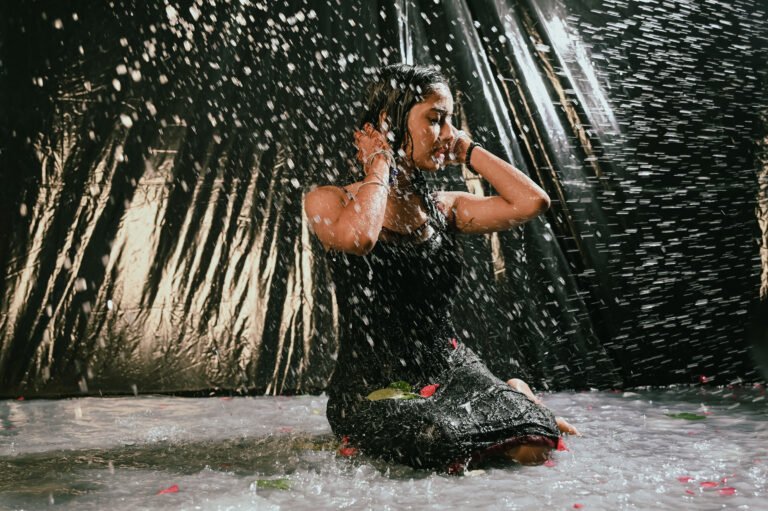
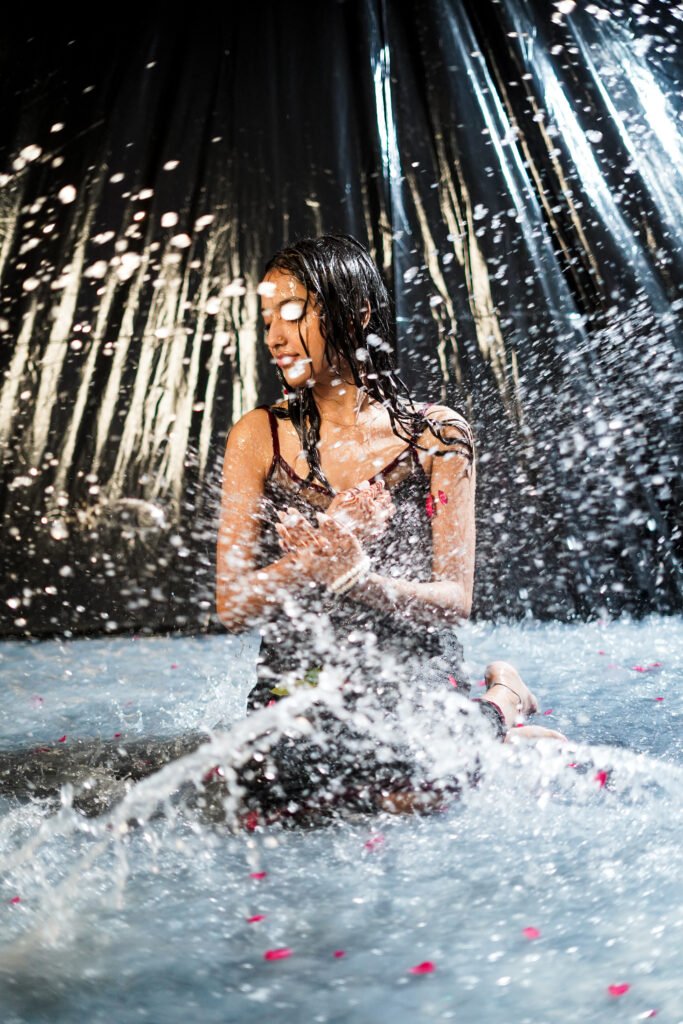
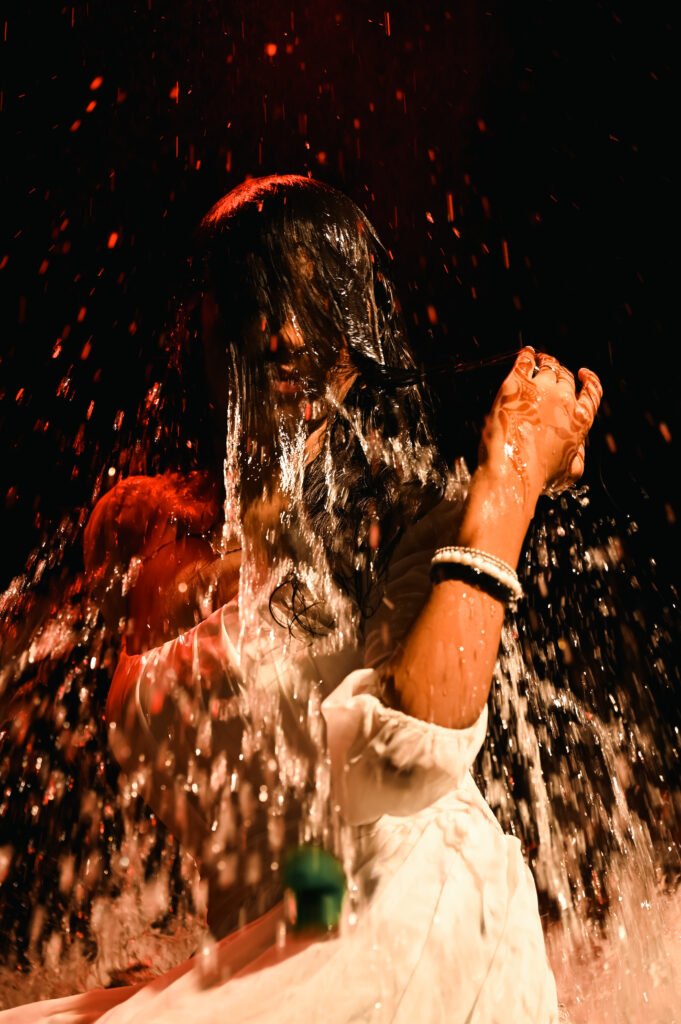
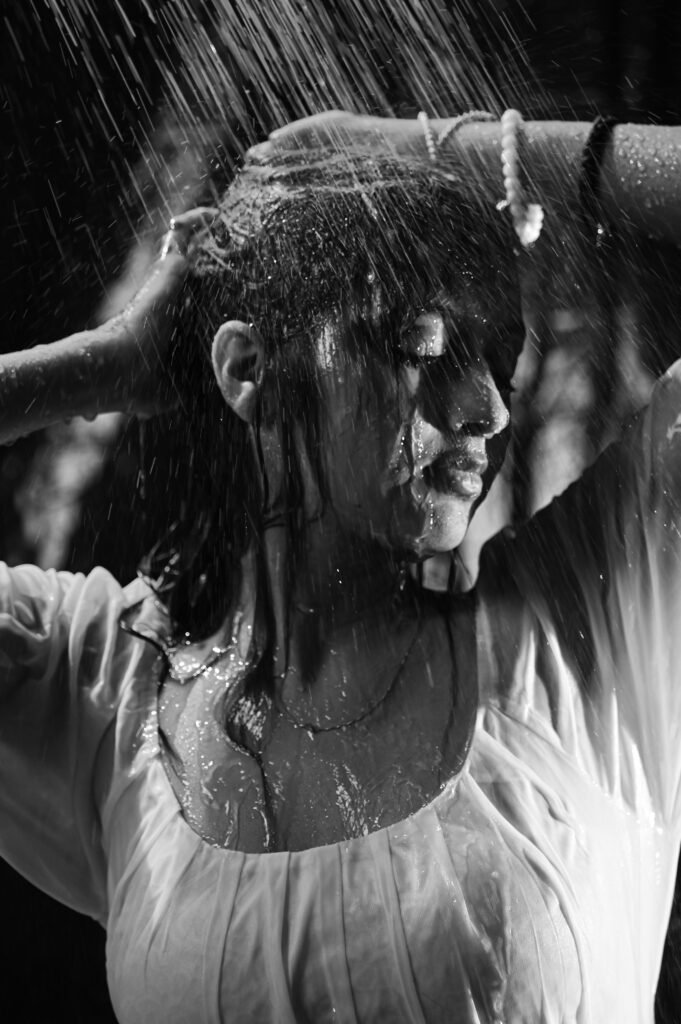
Water splash photography is a captivating genre that combines the elegance of motion with the technical prowess of photography and cinematography. At PIWF Institute, we recently hosted a specialized session focused on capturing the stunning beauty of water in motion. This blog post will guide you through our approach and provide insights into mastering this intriguing art form.
Setting the Scene
Our session began with a deep dive into the essentials of creating the perfect setup for water splash photography. The key elements include:
Location and Background:
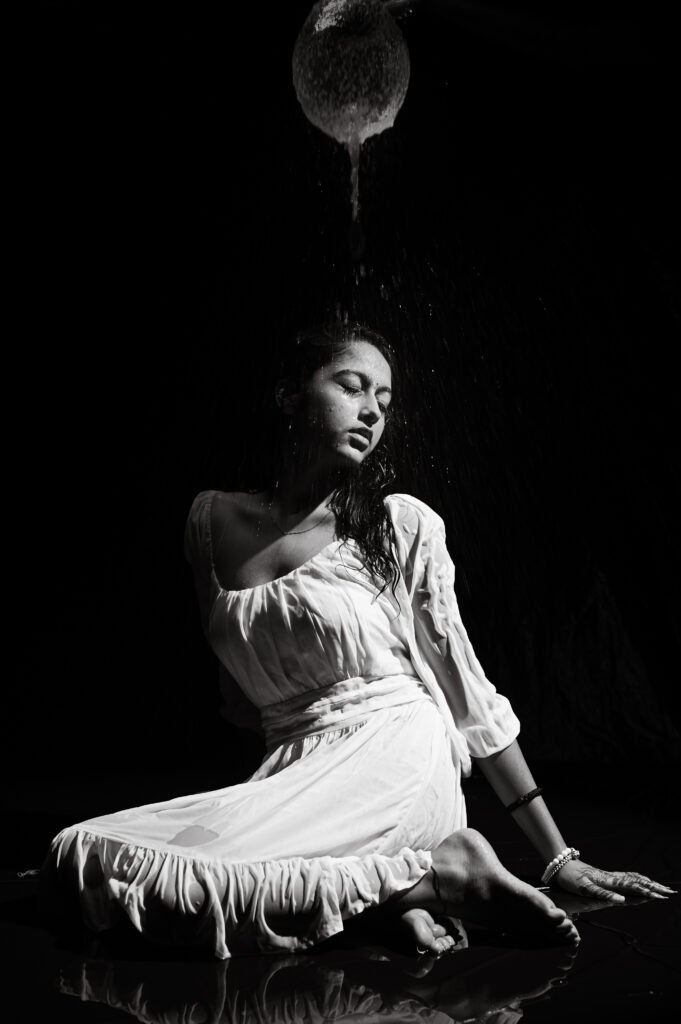
We opted for a dark, indoor studio with black backgrounds. This choice helps to eliminate distractions and makes the water droplets stand out prominently.
The black backdrop serves as a canvas, highlighting the subject and the water’s movement.
Lighting:
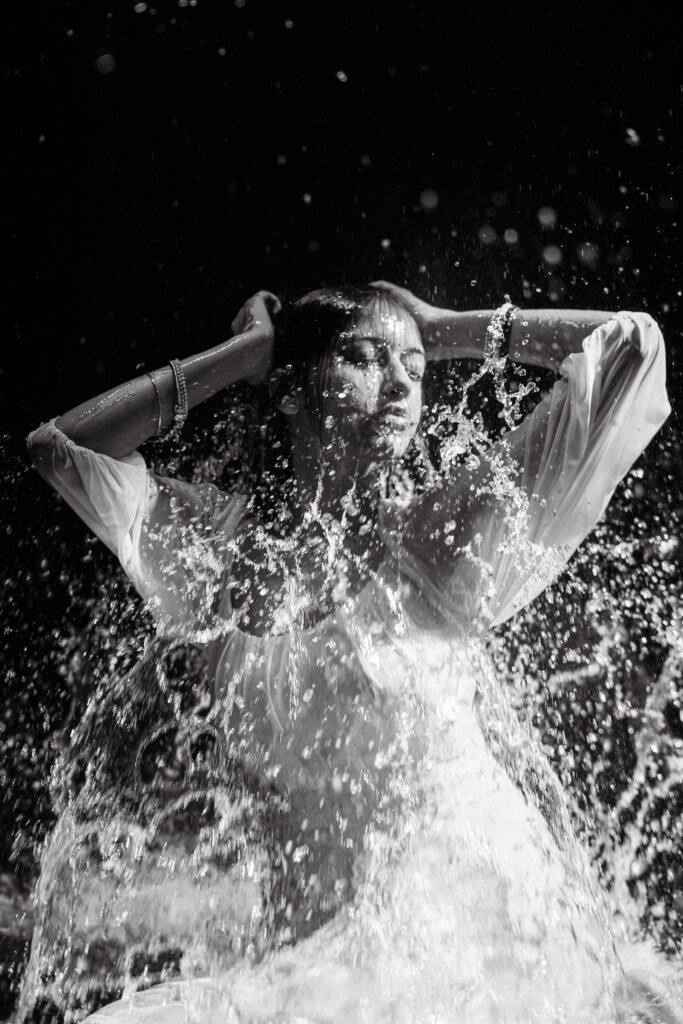
Lighting is crucial. We used a single strobe light positioned above and slightly behind the subject. This creates a dramatic effect, casting light on the water droplets and accentuating the subject’s contours.
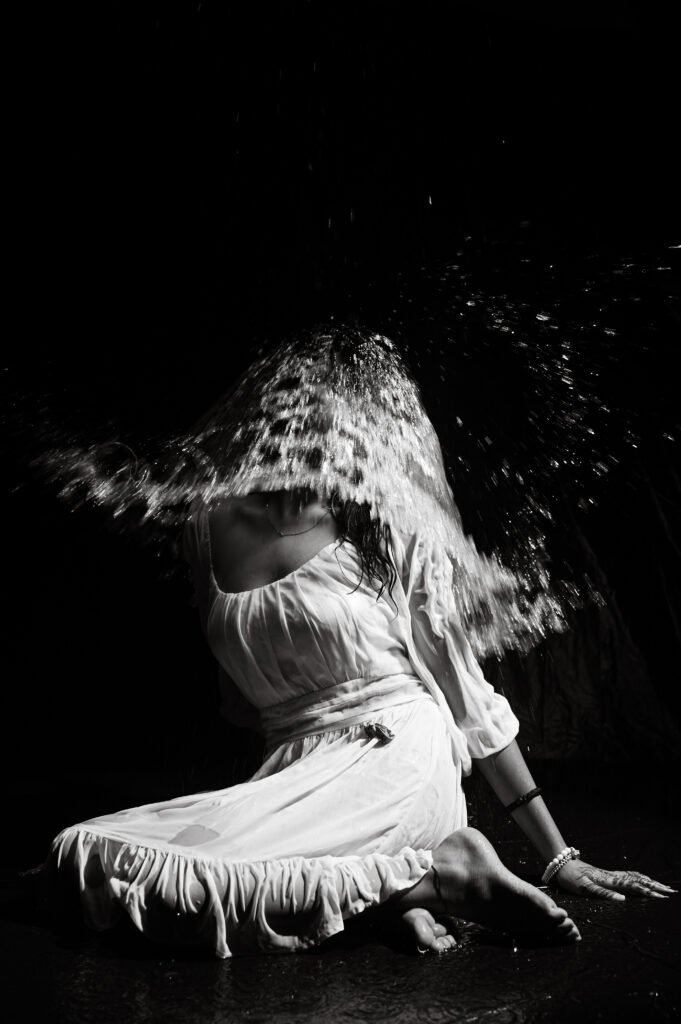
The strobe light helps freeze the motion, capturing the water’s dynamic patterns crisply.
Camera Settings for Success
Capturing the perfect water splash image requires precise camera settings. Here’s what we recommend:
Aperture: Use a narrow aperture (f/8 to f/11) to achieve a deep depth of field, ensuring both the subject and water are in focus.
Shutter Speed: A fast shutter speed (1/1000th of a second or faster) is essential to freeze the motion of the water.
ISO: Keep the ISO low (100-400) to minimize noise and maintain image quality.
Subject and Water Coordination
The interplay between the subject and the water is vital:
Positioning: The subject should be in a natural, relaxed pose, either kneeling or sitting, to complement the water’s dynamic motion.
Wardrobe: Light-colored or white clothing contrasts beautifully against the dark background and highlights the water splash.
Water Effect: An assistant pours water over the subject’s head from a height, creating a spectacular splash. Timing the shot to capture the peak moment of the water’s spread is key.
Capturing the Perfect Shot
Using burst mode on the camera, we were able to take multiple shots in quick succession, ensuring we captured the ideal moment when the water was mid-air. Pre-focusing on the subject’s face or upper body ensured sharpness, and post-processing in black and white enhanced the contrast and textures, making the water droplets stand out.
Post-Processing Techniques
Post-processing plays a crucial role in perfecting water splash images:
Convert to Black and White: This enhances contrast and brings out the intricate details of the water droplets.
Adjust Contrast and Brightness: Fine-tuning these settings helps to make the water droplets more pronounced against the dark background.
Selective Sharpening: Enhancing the details of the water and subject adds a polished touch to the final image.
Join Us at PIWF Institute
At PIWF Institute, we provide hands-on training and expert guidance to help you master complex photography techniques like water splash photography. Our courses cover various aspects of wedding cinematography, photography, and video editing, ensuring a comprehensive learning experience. Whether you’re a budding photographer or a seasoned professional, our workshops are designed to elevate your skills and creativity.
If you’re passionate about photography and eager to learn, join us at PIWF Institute. Our upcoming batch starts on 1st August 2024, and admissions are open. Embark on a journey to master the art of capturing breathtaking images and create unforgettable visual stories.
For more details, visit our website or contact us directly. We look forward to seeing you at PIWF Institute!
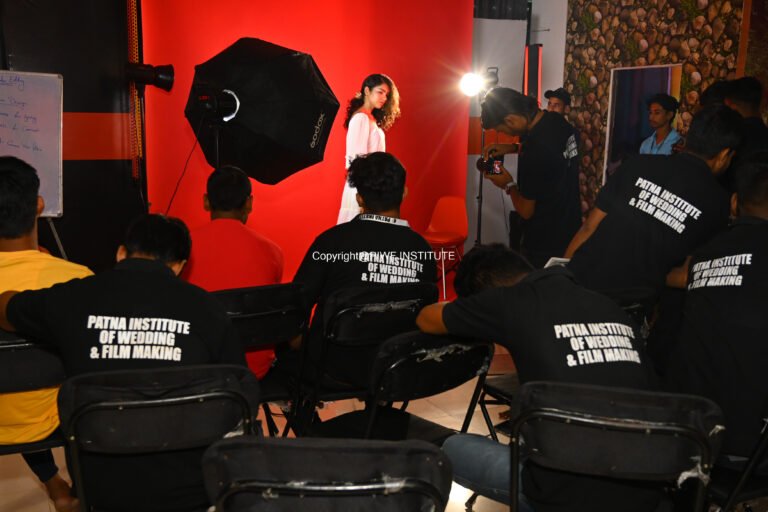
At PIWF Institute, we believe in blending theoretical knowledge with practical experience, ensuring our students are well-equipped for the dynamic world of cinematography. Our latest session on cinematic lighting, held on the 19th of July, was a testament to this philosophy. Led by our esteemed mentor, Amit Kumar, and supported by our dedicated internship students, the session was both insightful and engaging.
The Essence of Cinematic Lighting
Cinematic lighting is an art form that goes beyond mere illumination. It’s about creating mood, evoking emotions, and adding depth to the narrative. Our session aimed to demystify this complex yet fascinating aspect of filmmaking.
Key Takeaways from the Session:
Understanding the Basics: Amit Kumar began by explaining the fundamental principles of cinematic lighting. This included the types of lights used in film production—key lights, fill lights, backlights, and practical lights.
Lighting Techniques: The session delved into various lighting techniques such as three-point lighting, high-key lighting, and low-key lighting. Each technique was demonstrated with practical setups, allowing students to see the effects in real-time.
Creative Use of Shadows: One of the highlights was the discussion on the creative use of shadows. Shadows can add a layer of intrigue and dimension to a scene, and students learned how to manipulate them to enhance their shots.
Color Temperature: Amit Kumar emphasized the importance of color temperature in setting the tone of a scene. Students experimented with different temperatures to understand their impact on the visual storytelling.
Hands-On Experience: The session was highly interactive, with students getting hands-on experience in setting up lights and experimenting with different setups. This practical approach helped solidify their understanding and boosted their confidence in handling lighting equipment.
Behind the Scenes
Our model for the day, Mono, was instrumental in bringing the learning to life. Her presence allowed students to practice lighting setups in a realistic scenario, capturing the nuances of her expressions and movements under various lighting conditions.
The internship students, acting as assistants, played a crucial role in the smooth execution of the session. Their involvement not only facilitated the learning process but also provided them with invaluable on-the-job experience.
A Memorable Learning Experience
The cinematic lighting session was more than just a class; it was a holistic learning experience that combined theory with practice, led by a mentor who is passionate about sharing his knowledge. The feedback from the students was overwhelmingly positive, with many expressing how the session had deepened their understanding of cinematic lighting.
At PIWF Institute, we are committed to providing our students with top-notch education and training, preparing them for successful careers in the film industry. Stay tuned for more exciting sessions and workshops!
Join Us
Are you passionate about cinematography and eager to learn from the best in the industry? Join our upcoming courses and workshops at PIWF Institute. Admissions are now open for the new batch starting on 1st August 2024. Don’t miss the opportunity to learn, grow, and shine in the world of filmmaking.
For more updates, follow us on our social media channels and visit our website.