



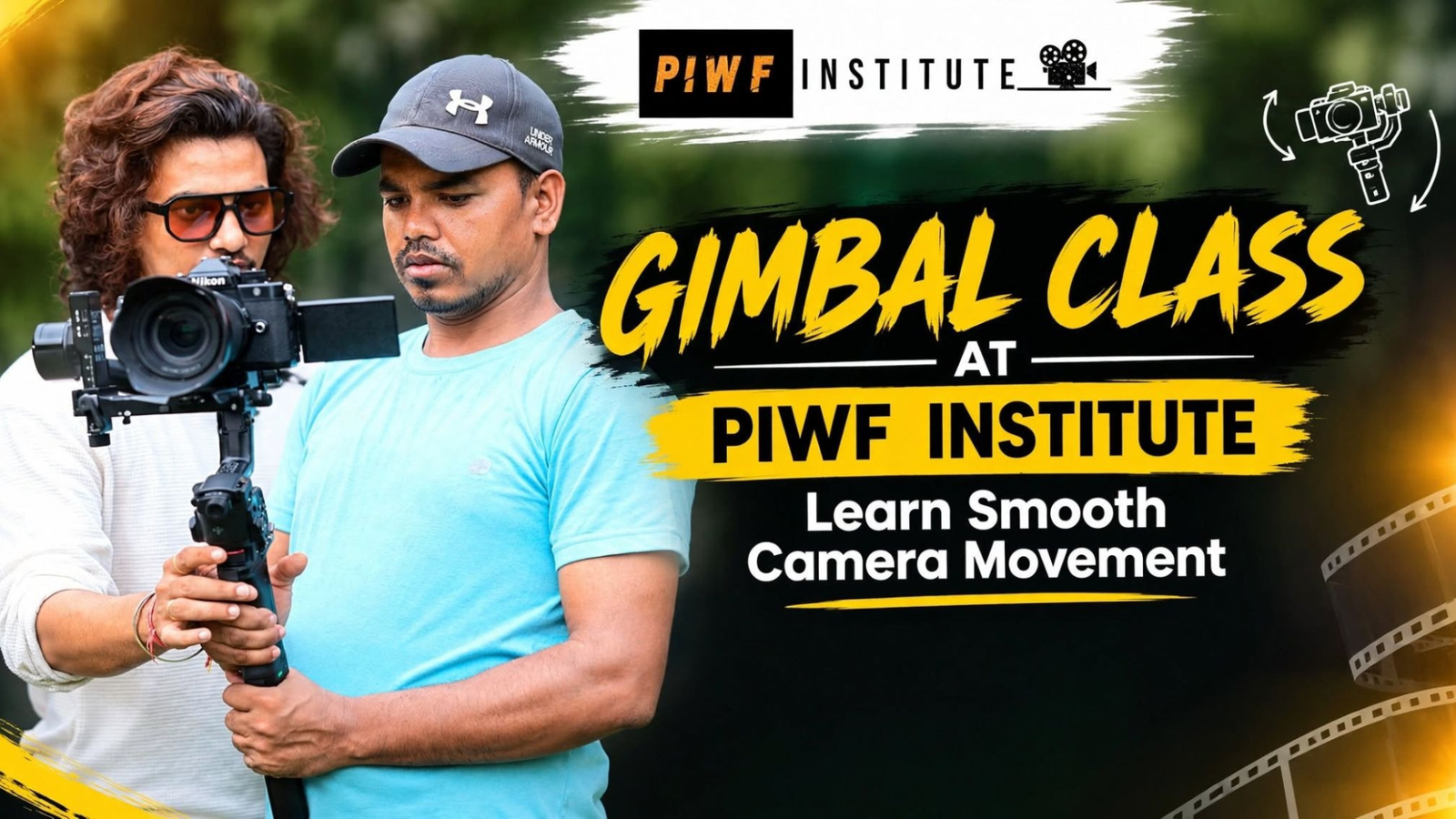
एक कैमरा किसी दृश्य को रिकॉर्ड कर सकता है, लेकिन कैमरे की Movement उस दृश्य के अनुभव को बदल सकती है। Smooth Camera Movement Wedding Film, Short Film या Cinematic Video को अधिक Natural और Engaging बना सकती है।
हालांकि, Gimbal का उपयोग केवल Camera पकड़कर चलने तक सीमित नहीं है। विद्यार्थियों को Balance, Movement, Camera Control और अलग-अलग Shooting Techniques की सही समझ होना जरूरी है।
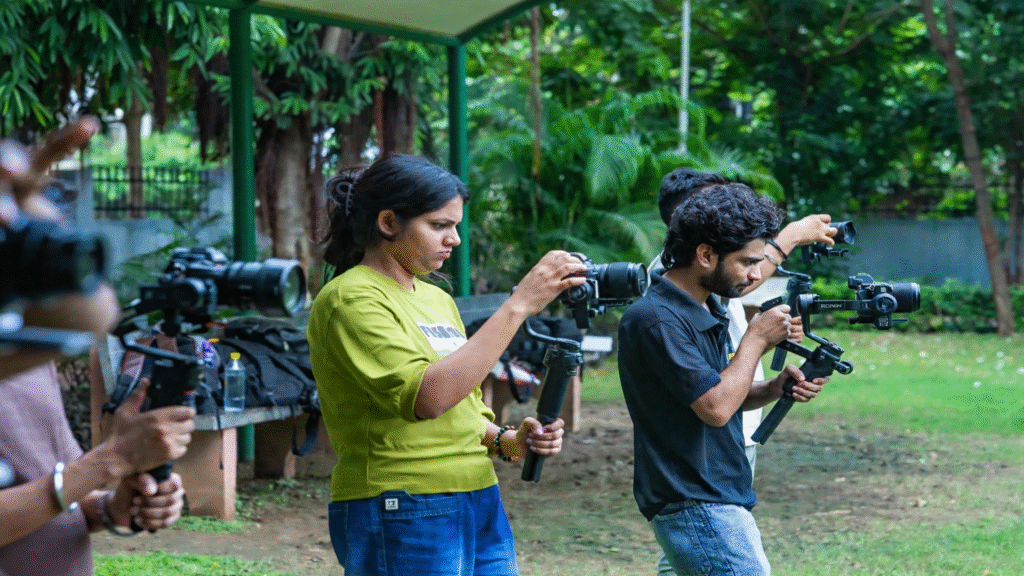
PIWF Institute, Patna में Mentor Viraj Sir के मार्गदर्शन में आयोजित Gimbal Class में विद्यार्थियों ने Theory, Practical और Question-and-Answer Sessions के माध्यम से इन Skills को सीखा। Class में अलग-अलग Gimbals, Cameras, Lenses और Camera Movements का Practical उपयोग भी समझाया गया।
Gimbal Training Under the Guidance of Mentor Viraj Sir
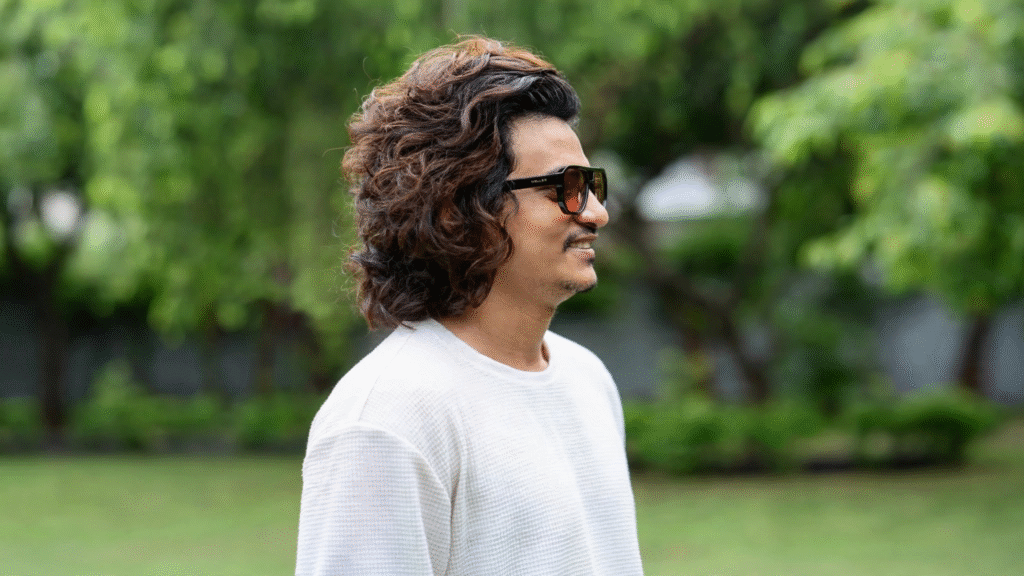
इस Session का संचालन Mentor Viraj Sir ने किया, जहाँ उन्होंने PIWF के विद्यार्थियों को Gimbal के Basics और उसके Practical Use के बारे में समझाया। Class में Camera Balance, Handling, Movement Techniques और Real Shooting Practice पर ध्यान दिया गया।
विद्यार्थियों को अपने Questions पूछने, Doubts Clear करने और अलग-अलग Cameras व Lenses के साथ Gimbal का सही उपयोग सीखने का अवसर भी मिला।
What Will Students Learn in the Gimbal Class?
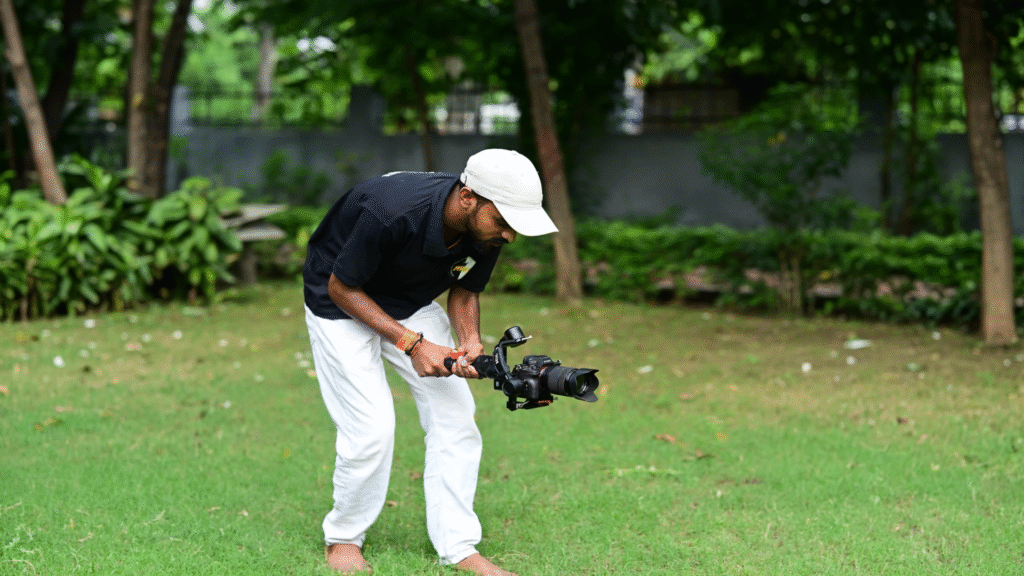
इस Class में Gimbal Shooting के Basic Concepts और Practical Camera Handling, दोनों को शामिल किया गया।
केवल Theory तक सीमित रहने के बजाय, विद्यार्थियों को Professional Camera और Gimbal Setups के साथ काम करने का अवसर मिला। इससे उन्हें यह समझने में मदद मिली कि Real Shoot में Smooth Camera Movements कैसे तैयार किए जाते हैं।
Session में शामिल था:
- Gimbal Theory
- Practical Gimbal Handling
- Camera और Lens Setup
- Camera Movement की समझ
- अलग-अलग Shooting Techniques
- Questions and Answers
- Mentor के साथ Doubt Clearing
- अलग-अलग Equipment के साथ Hands-on Practice
इस Combination से विद्यार्थियों ने न केवल Gimbal क्या करता है, बल्कि इसे कैसे और कब उपयोग करना है, यह भी समझा।
Gimbals Available for Practical Learning
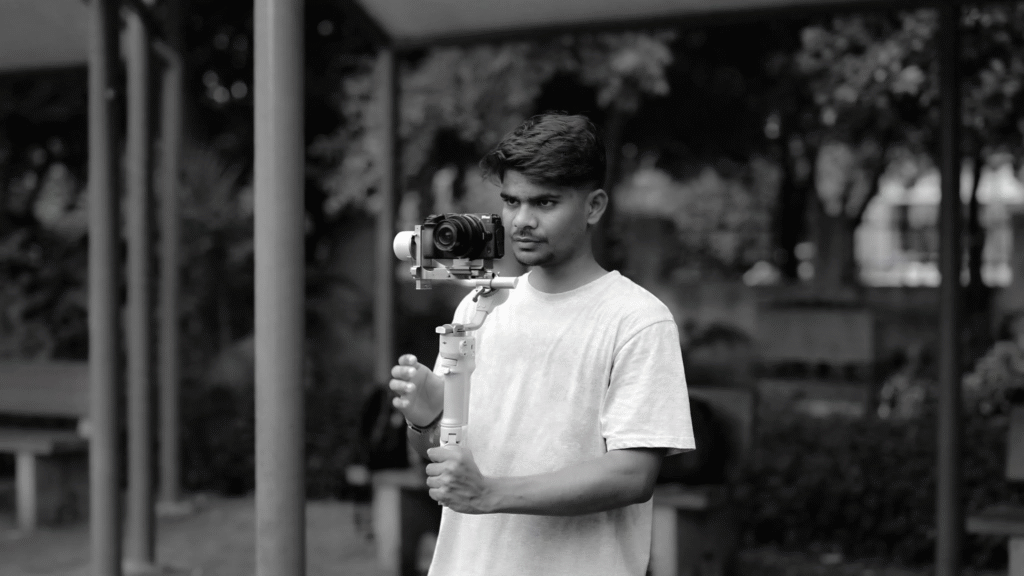
Class में विद्यार्थियों को अलग-अलग Gimbal Systems के साथ काम करने का अवसर मिला। इसमें DJI RS 4 Mini, Zhiyun Gimbal और FeiyuTech SCORP 3 Gimbal शामिल थे।
DJI RS 4 Mini एक Compact Camera Gimbal है, जिसमें Pan Follow, Pan and Tilt Follow, FPV और 3D Roll 360 जैसे Follow Modes मिलते हैं। इसमें Vertical Shooting का Support और 0.4 से 2 kg की Tested Payload Range भी है।
FeiyuTech SCORP 3 Mirrorless और DSLR Cameras के लिए बनाया गया है। इसमें लगभग 3.5 kg की Payload Capacity के साथ Native Vertical Shooting, AI Tracking और Three-Axis Stabilisation जैसे Features मिलते हैं।
Class में Zhiyun Gimbal भी शामिल था, जिससे विद्यार्थियों ने अलग-अलग Gimbals के Controls, Handling Methods और Shooting Workflows को समझा।
एक से अधिक Gimbals के साथ काम करने से विद्यार्थियों को Camera Stabilisation समझने और अलग-अलग Models के साथ काम करने का Practical Experience मिला।
Cameras and Lenses Used in the Session
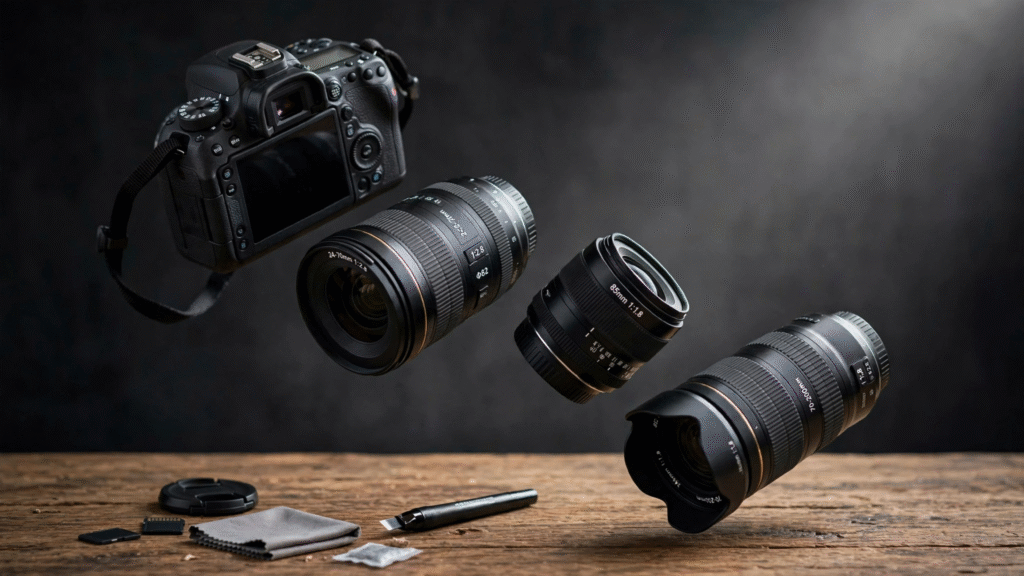
Gimbal Camera Setup में केवल Gimbal ही एक हिस्सा नहीं है। Camera Body और Lens भी Shot के Look और Setup को Control करने में important role निभाते हैं।
Practical Session में कई Camera Bodies शामिल थे:
- Z5 II
- Z6 II
- Z6 III
- Z30
Students ने अलग-अलग Lenses के साथ भी काम किया, जिनमें शामिल थे:
- 16–50mm f/3.5–6.3
- 20mm f/2.8
- 50mm f/1.4
- 50mm f/1.8
अलग-अलग Lenses के साथ Gimbal Practice करने से Students ने समझा कि Focal Length Moving Shot के Look और Feel को कैसे बदलती है।
उदाहरण के लिए, Wider Lens Space में Camera Movement के दौरान अधिक Area को Frame में रखने में useful हो सकता है। वहीं, 50mm Lens अलग Perspective देता है और Subject पर अधिक Focus रखने में मदद कर सकता है।
मुख्य बात यह है कि Lens को केवल उसके Look के आधार पर नहीं चुनना चाहिए। Lens का चुनाव Movement, Subject और Available Space के अनुसार होना चाहिए।
Practical Gimbal Camera Movements Students Will Explore
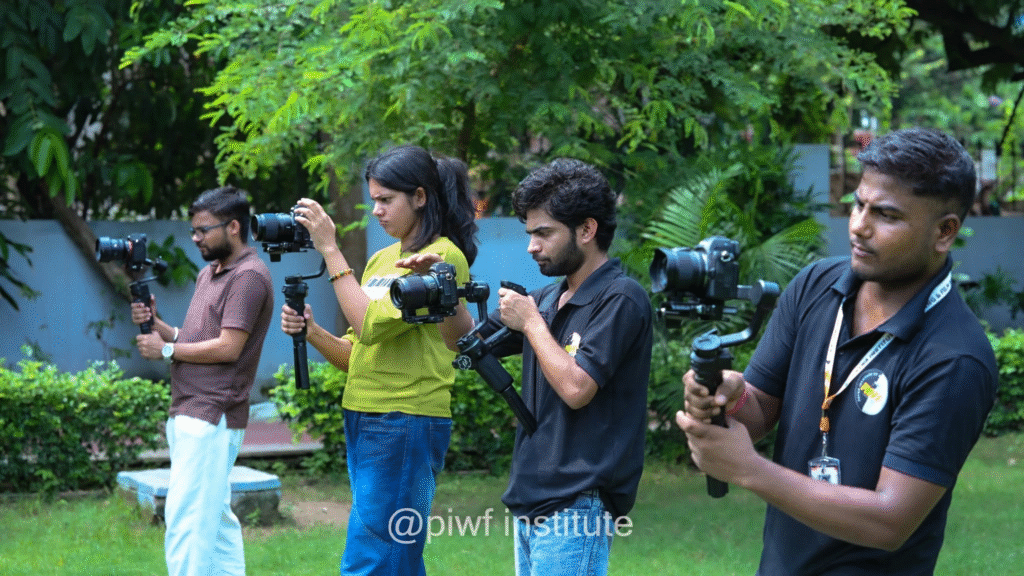
Class के सबसे useful parts में से एक अलग-अलग Camera Movements की Practical Practice थी। Students ने Push Forward, Pull Back, Low Rider और C-Shot जैसे Movements पर काम किया।
Push Forward
Push Forward Movement में Camera Subject की ओर आगे बढ़ता है। यह Movement तब useful होता है जब Filmmaker Viewer को किसी Person, Object या Scene के करीब लाना चाहता है। Wedding Filmmaking में, एक controlled Push-In Subject पर Attention लाने में मदद कर सकता है।
इस Movement में मुख्य challenge Camera को slow, steady और controlled रखना है।
Pull Back
Pull Back Movement इसका opposite होता है। Camera Subject के करीब से शुरू होकर पीछे की ओर move करता है और धीरे-धीरे आसपास का Environment Frame में दिखाता है। यह तब useful होता है जब Filmmaker Location या Subject और Environment के बीच का connection दिखाना चाहता है।
Students ने सीखा कि Shot को stable रखने के लिए Body Movement और Gimbal Control को साथ कैसे काम करना होता है।
Low Rider
Low Rider Movement में Camera को Lower Position से operate किया जाता है। इससे Shot का Perspective बदलता है और एक अधिक Dynamic Visual Effect मिल सकता है। हालांकि, इसमें Gimbal का बेहतर Control जरूरी होता है, क्योंकि Move करते समय सही Camera Angle बनाए रखना होता है।
Students के लिए यह समझने का अच्छा example था कि Gimbal Shooting केवल Stabiliser On करने तक सीमित नहीं है।
C-Shot
C-Shot भी Session में Students ने Practise किया। इसमें Camera एक Curved Path पर move करता है, जिससे Camera केवल Straight Line में चलने के बजाय Subject के आसपास move कर सकता है। सही Planning और Execution के साथ यह Movement Video में अधिक Depth और Visual Interest जोड़ सकता है।
इसमें सबसे जरूरी चीज़ Control है। Complex Movement अपने आप Shot को बेहतर नहीं बनाता। Movement का Scene को Support करना और उसका एक Clear Purpose होना जरूरी है।
Why Practical Training Matters
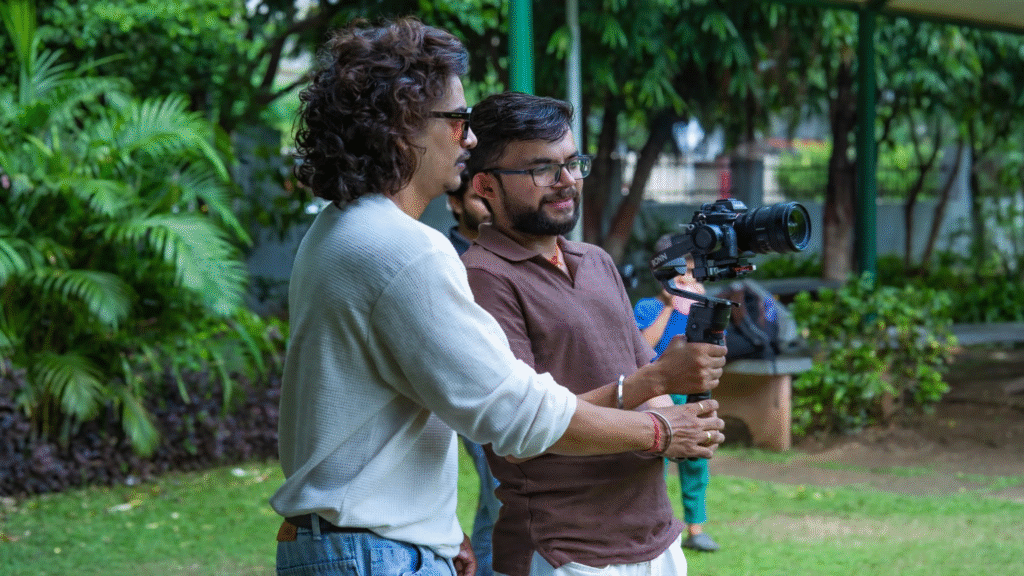
Video या Book से Camera Movement सीखना Basic Idea समझा सकता है, लेकिन Practical Work Learning का एक अलग Experience देता है।
जब Students खुद Gimbal Handle करते हैं, तो वे छोटी Problems को Notice कर पाते हैं, जिन्हें केवल Theory से समझना मुश्किल होता है। वे सीखते हैं कि Walking Speed Footage को कैसे Affect करती है, Direction बदलने पर Camera कैसे React करता है और अलग-अलग Camera Setups हाथ में कैसे Feel होते हैं।
इसी वजह से Practical Gimbal Class Wedding Filmmaking, Cinematography और Video Production में रुचि रखने वाले Students के लिए useful हो सकती है।
PIWF अपने Training Approach में Theoretical Knowledge के साथ Hands-on Practical Training को शामिल करता है, जिसमें Filmmaking, Photography और Cinematography जैसे Areas शामिल हैं।
Question-and-Answer Session for Student Doubts
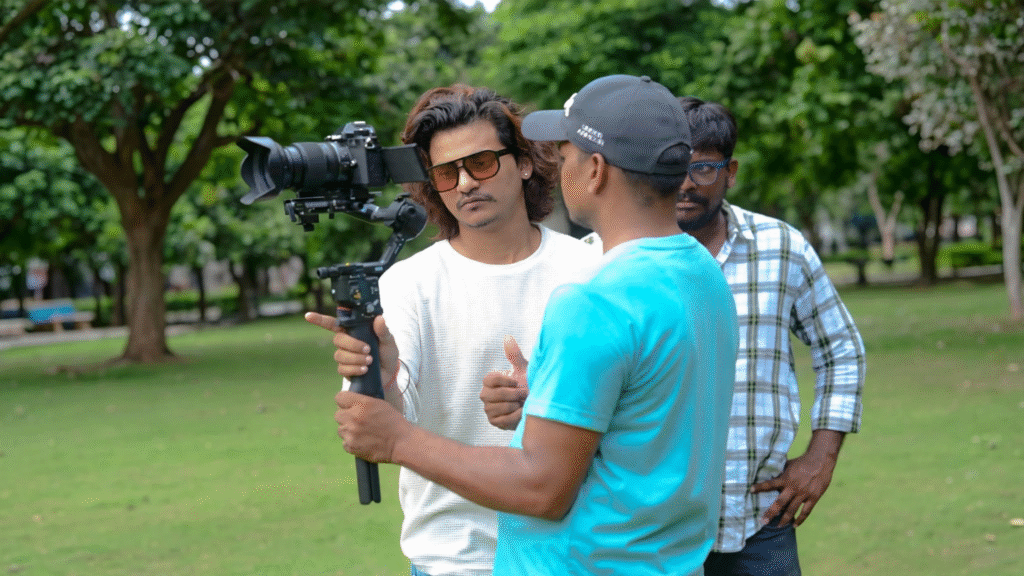
Session का एक important हिस्सा Question-and-Answer Segment भी था।
Gimbal का उपयोग शुरू करते समय Students के मन में अक्सर ऐसे Questions आते हैं:
- Camera को सही तरह से Balance कैसे करें?
- किसी particular Movement के लिए कौन-सा Lens चुनें?
- Operator को कितनी Speed से चलना चाहिए?
- कौन-सा Gimbal Mode Select करें?
- Unwanted Camera Movement को कैसे कम करें?
- Low-Angle Movement का उपयोग कब करें?
- Camera Movement को Story के साथ कैसे जोड़ें?
Live Question-and-Answer Session में Students ने अपने Doubts Mentor के साथ Discuss किए और Technique के Practical Side को बेहतर समझा।
From Gimbal Basics to Real Camera Movement
Gimbal सीखने का main purpose हर shot में movement create करना नहीं है। Good Camera Movement का एक reason होना चाहिए।
कभी-कभी एक simple Locked Shot बेहतर काम कर सकता है। वहीं, Slow Push Forward Subject पर Attention ला सकता है। Pull Back Surroundings को Reveal कर सकता है, जबकि Low Movement Viewer का Perspective बदल सकता है।
Students अलग-अलग Movements की Practice करके समझ सकते हैं कि हर Movement Final Footage को कैसे बदलता है।
यहीं Technical Knowledge और Creative Thinking साथ आते हैं।
Gimbal Training at PIWF Institute
PIWF Institute, यानी Patna Institute of Wedding & Film Making, Photography, Cinematography, Video Editing, Filmmaking और Wedding Filmmaking जैसे Areas में Training देता है। इसकी Official Website पर Viraj Kumar को Cinematography Team में भी शामिल किया गया है।
Gimbal Session ने Learning Experience में एक और Practical Area जोड़ा। अलग-अलग Gimbals, Camera Bodies, Multiple Lenses और Hands-on Camera Movements के साथ Students ने Practical Setting में Stabilised Camera Work को समझा।
Wedding Films, Cinematography या Video Production में काम करने वाले Students के लिए Camera Movement को समझना उनके Skill Set का एक important हिस्सा बन सकता है।
Conclusion
Gimbal Camera Movement को smoother बना सकता है, लेकिन Good Footage अभी भी उसे operate करने वाले Person पर depend करता है।
PIWF Institute में Gimbal Class in Patna Theory, Practical Training और Student Questions को एक साथ जोड़ती है। DJI RS 4 Mini, Zhiyun Gimbal और FeiyuTech SCORP 3, साथ में Cameras, अलग-अलग Lenses और Push Forward, Pull Back, Low Rider और C-Shot जैसे Movements के साथ, Students को Basics से आगे Practice करने का मौका मिलता है।
अगर आप Photography, Cinematography, Filmmaking और Practical Camera Techniques सीखना चाहते हैं, तो PIWF Institute से इसके Courses और Upcoming Training Sessions के बारे में जानने के लिए Connect करें।
Frequently Asked Questions
1. What is a gimbal used for?
A gimbal is used to stabilise a camera while it is being moved. It helps reduce unwanted camera shake and allows filmmakers to create controlled camera movements.
2. What will students learn in the PIWF gimbal class?
Students will learn gimbal theory, practical camera handling, camera and lens setup, different movement techniques and how to control the camera during movement. The session will also include a question-and-answer segment.
3. Which gimbals will be used in the PIWF class?
The practical session will include the DJI RS 4 Mini, a Zhiyun gimbal and the FeiyuTech SCORP 3 gimbal.
4. Which camera movements will students practise?
Students will practise movements including push forward, pull back, low rider and C-shot. These movements will help them understand how camera position and movement can change a shot.
5. Is practical training important for learning gimbal shooting?
Yes. Practical training allows students to handle the equipment, practise movements and understand how camera balance, walking technique and gimbal control affect the footage.